Will a US Recession Raise Personal Loan Rates in India?
|
A US recession may seem like a distant economic event, but it can quietly increase your personal loan interest rate in India. Global financial systems are interconnected. When the United States slows down, capital flows shift, currency markets react, inflation dynamics change, and the Reserve Bank of India may adjust its policy stance. These macro movements can directly influence personal loan rates, approval criteria, and lender risk appetite in India. If you are planning to borrow in 2026, understanding this global chain reaction can help you secure better terms and protect your EMIs.
Why a US Recession Matters for India
The United States is one of India’s largest trading partners and a major source of foreign investment.
A US recession can lead to:
Lower demand for Indian IT and export services
Reduced foreign portfolio investment inflows
Volatility in stock and bond markets
Currency fluctuations
As frequently reported by Economic Times, global slowdowns often trigger capital flow reversals in emerging markets.
Step by Step: How a US Recession Can Raise Your Personal Loan Rate
Step 1: Capital Flows Shift
If the US enters recession, investors may initially seek safe US assets such as Treasury bonds. This can cause:
Capital outflows from emerging markets
Pressure on the Indian rupee
Increased bond yield volatility
When foreign investors sell Indian bonds, yields may rise.
Step 2: Rupee Depreciation and Imported Inflation
Capital outflows increase dollar demand. The rupee may weaken.
A weaker rupee makes imports such as crude oil more expensive. Higher fuel costs raise transportation and manufacturing expenses, increasing inflation.
The Reserve Bank of India closely monitors inflation because it directly impacts monetary policy decisions.
Step 3: RBI Policy Response
If inflation rises beyond the comfort band of 2 to 6 percent, RBI may:
Tighten liquidity
Raise the repo rate
Maintain a hawkish stance
When the repo rate increases, banks’ cost of funds rises.
Step 4: Banks and NBFCs Reprice Personal Loans
Personal loans are unsecured. They carry higher risk compared to home loans.
During uncertain global conditions, lenders:
Increase risk premiums
Tighten credit score requirements
Raise interest rates on new loans
This is how a US recession can quietly increase your personal loan interest rate in India.
Why Personal Loans React Faster Than Home Loans
Personal loans are more sensitive because:
They are unsecured
Tenures are shorter
Default rates rise faster during income stress
Lenders adjust spreads quickly
If IT hiring slows or startup funding tightens due to US slowdown, lenders perceive higher employment risk. This can increase pricing even if repo rates remain unchanged.
At Saarathi.ai, we have observed that during global uncertainty, interest rate differences between lenders widen significantly. Borrowers who compare multiple offers often save substantial interest costs.
You can compare personal loan offers on Saarathi.ai to identify competitive rates based on your credit profile.
Impact on Job Stability and Eligibility
IT and Export Sector Employees
A US recession can reduce technology spending by American companies.
Possible outcomes:
Slower hiring
Reduced bonuses
Project delays
Lenders may consider sectoral employment risk during eligibility assessment.
Startups
Venture capital funding often slows during US downturns. Employees in early stage startups may face greater scrutiny from lenders.
MSME Owners
Export dependent MSMEs may experience order reductions, impacting cash flows and personal borrowing capacity.
Bond Yields and Cost of Funds
Indian personal loan pricing is linked indirectly to bond yields and liquidity conditions.
If foreign investors sell government securities:
Bond yields rise
Banks’ borrowing costs increase
Loan rates adjust upward
Even without a direct RBI rate hike, funding cost pressures can lead to higher personal loan rates.
Rating agencies such as CRISIL have noted that the funding environment shifts quickly during global stress events.
Real World Example Scenario
Assume:
US enters recession
Global investors move funds to US Treasuries
Rupee weakens from 82 to 88
Oil prices stay elevated
Inflation rises
RBI may adopt a cautious stance.
Banks respond by:
Raising personal loan rates by 0.5 to 1 percent
Increasing minimum credit score requirements
Reducing maximum loan amounts
Borrowers with credit scores below 700 may see sharper rate increases compared to prime borrowers.
How to Protect Yourself
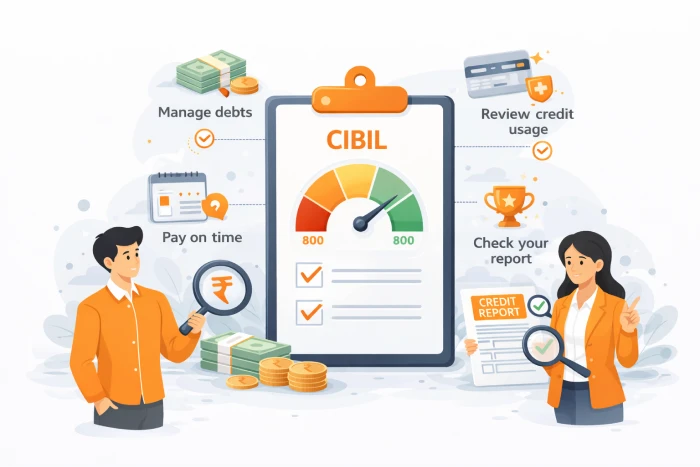
1. Improve Your Credit Score
A score above 750 can reduce risk premium significantly.
Pay EMIs on time and keep credit utilization below 30 percent.
2. Check Eligibility Before Applying
Multiple rejections can lower your score.
You can ask eligibility questions via Saarathi AI expert before applying to avoid unnecessary hard inquiries.
3. Compare Multiple Lenders
During volatile cycles, interest rates vary widely across banks and NBFCs.
You can compare personal loan offers on Saarathi.ai and select the most competitive option transparently.
4. Keep EMI Ratio Conservative
Maintain total EMIs below 40 percent of your monthly income.
5. Track Application Status
Use Saarathi Bazaar to track your application in Saarathi Bazaar and monitor approval progress in real time.
Should You Delay Taking a Personal Loan?
Not necessarily.
If:
Your income is stable
Your credit score is strong
Your EMI ratio is manageable
Borrowing remains viable even during global slowdown.
The key is structured comparison and disciplined repayment planning.
FAQs
Can a US recession directly increase Indian personal loan rates?
Not directly, but through capital outflows, rupee depreciation, inflation, and liquidity tightening, it can indirectly push rates higher.
Will my existing personal loan EMI increase?
If your loan is fixed rate, EMI remains unchanged. If linked to floating benchmarks, it may adjust depending on lender policy.
Are unsecured loans riskier during global slowdowns?
Yes. Lenders perceive higher default risk in uncertain employment conditions.
Should I lock a loan before rates rise?
If rates appear to be in an upward cycle and your need is urgent, early locking can help.
How can I secure the lowest possible rate?
Maintain a strong credit score, stable income profile, and compare lenders before applying.
Conclusion
A US recession may seem geographically distant, but its financial impact can travel quickly across global markets. Through capital flows, currency volatility, inflation pressure, and lender risk assessment, it can quietly increase your personal loan interest rate in India.
Understanding this economic chain reaction allows you to act early, strengthen your credit profile, and compare intelligently.
Discover personalized loan options on Saarathi.ai today and secure competitive personal loan rates even in uncertain global conditions.