What Is a “Good” Credit Score in India in 2026?
|
Your credit score plays a crucial role in your financial life, especially when applying for loans or credit cards. But what exactly is considered a “good” credit score in India in 2026? While many people aim for a high score, understanding the ideal range and how it impacts your loan approval is essential. In India, your CIBIL score is one of the most important indicators lenders use to assess your creditworthiness. In this guide, we break down credit score ranges, what lenders expect, and how you can improve your score using smarter tools like Saarathi.ai.
What Is a Credit Score?
A credit score is a three-digit number that reflects your credit behavior and repayment history.
Score Range in India
300 to 900
What It Represents:
Your ability to repay loans
Your past financial discipline
Your overall credit risk
The closer your score is to 900, the better your profile looks to lenders.
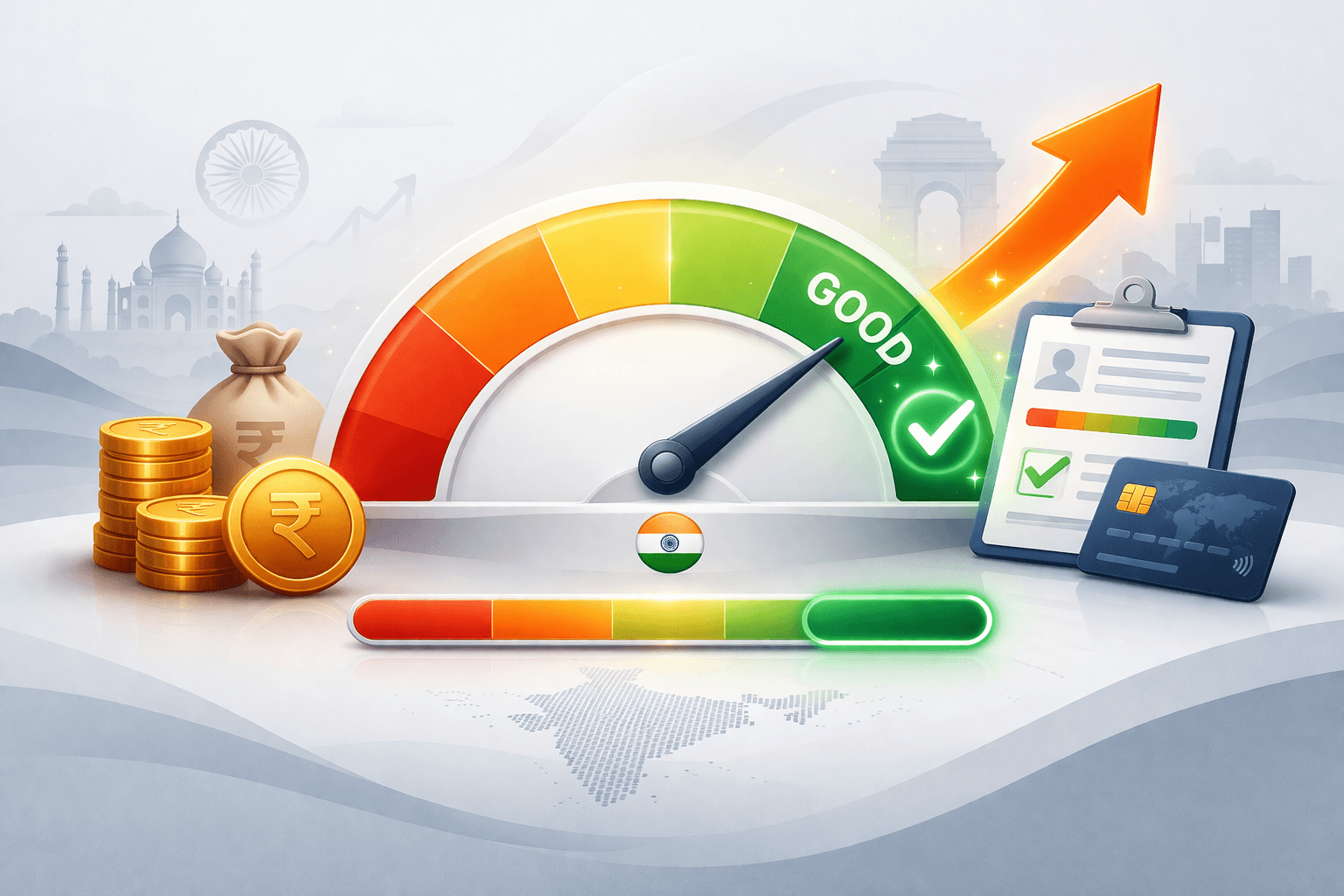
What Is Considered a Good Credit Score in India in 2026?
A “good” credit score depends on lender expectations, but there are standard benchmarks.
Credit Score Ranges Explained
750 to 900 - Excellent
Very high approval chances
Lowest interest rates
Pre-approved loan offers
700 to 749 - Good
Strong approval probability
Competitive interest rates
650 to 699 - Average
Moderate approval chances
Higher interest rates
600 to 649 - Low
Limited loan options
Strict lender checks
Below 600 - Poor
High rejection risk
Very limited credit access
At Saarathi.ai, we have observed that most lenders prefer applicants with a score above 700 for faster approvals.
Why a Good Credit Score Matters
Your credit score directly impacts your borrowing experience.
Better Loan Approval Chances
Lenders are more confident approving loans for high-score applicants.
Lower Interest Rates
A higher score can save you significant money over time.
Example:
Score 750+: Lower interest rate
Score 650: Higher interest rate
Higher Loan Amount Eligibility
Better scores increase your borrowing capacity.
Faster Approvals
High-score applicants often receive instant or pre-approved offers.
Access to Premium Financial Products
Includes better credit cards and exclusive loan offers.
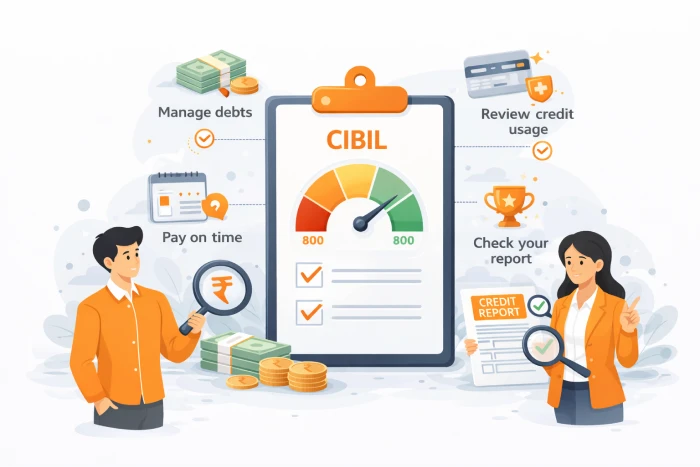
Factors That Affect Your Credit Score
Understanding these helps you maintain a good score.
Payment History
Most important factor
Includes EMI and credit card payments
Credit Utilization
Keep usage below 30 percent of limit
Credit History Length
Longer history improves score
Credit Mix
Balance of secured and unsecured loans
Recent Credit Activity
Multiple applications can reduce score
How to Maintain a Good Credit Score
Consistency is key to maintaining a healthy score.
Pay All Dues on Time
Never miss EMIs or credit card payments.
Keep Credit Utilization Low
Avoid using your full credit limit.
Avoid Frequent Loan Applications
Apply only when necessary.
Instead of multiple applications, compare personal loan offers on Saarathi.ai to apply smartly.
Monitor Your Credit Report
Check regularly for errors and discrepancies.
Maintain a Balanced Credit Profile
Use a mix of credit products responsibly.
How Saarathi.ai Helps You Leverage a Good Credit Score
Having a good score is valuable, but using it smartly is equally important.
AI-Based Eligibility Check
Ask eligibility questions via Saarathi AI expert to understand your loan options instantly.
Smart Lender Matching
The Saarathi Recommendation Engine connects you with lenders offering the best terms for your score.
Compare Loan Offers
Compare personal loan offers on Saarathi.ai to get the lowest interest rates.
Saarathi Bazaar Dashboard
Track your application in Saarathi Bazaar and manage offers efficiently.
At Saarathi.ai, we have observed that users with higher credit scores get better offers when they compare multiple lenders.
What If Your Credit Score Is Not Good?
Do not worry. You can improve it with the right steps.
Start with Timely Payments
Make all payments on time going forward.
Reduce Outstanding Debt
Lower your credit utilization.
Avoid New Credit Applications
Give your profile time to stabilize.
Fix Credit Report Errors
Raise disputes with CIBIL if needed.
How Long Does It Take to Reach a Good Score?
Typical Timeline:
1 to 3 months: Initial improvement
3 to 6 months: Noticeable growth
6 to 12 months: Strong score
Consistency is the key to long-term success.
Real-Life Scenario
Consider Anjali, a working professional in India.
Situation:
Credit score: 670
Actions Taken:
Reduced credit utilization to 25 percent
Paid all dues on time
Avoided new applications
Outcome:
Score improved to 730 in 4 months
Got approved for a personal loan via Saarathi.ai
This shows how small changes can make a big difference.
Common Myths About Credit Score
Myth 1: Only Income Matters
Reality: Credit behavior matters more than income.
Myth 2: Checking Score Reduces It
Reality: Soft checks do not affect your score.
Myth 3: Closing Loans Improves Score
Reality: It may reduce your credit history length.
FAQs
What is a good credit score in India in 2026?
A score above 700 is generally considered good, while 750 plus is excellent.
Can I get a loan with a 650 score?
Yes, but interest rates may be higher.
How can I improve my credit score quickly?
Reduce credit utilization, pay dues on time, and avoid multiple applications.
Does salary affect credit score?
No, your repayment behavior matters more.
How often should I check my credit score?
At least once every few months.
How can I check my loan eligibility?
You can ask eligibility questions via Saarathi AI expert for instant guidance.
Conclusion
A good credit score in India in 2026 is typically above 700, with 750 and above considered excellent. It plays a critical role in determining your loan approval, interest rates, and overall financial flexibility. By understanding how your score works and maintaining healthy credit habits, you can unlock better financial opportunities.
Saarathi.ai helps you make the most of your credit profile with AI-driven insights, transparent comparisons, and faster approvals. Discover personalized loan options on Saarathi.ai today and take control of your financial future.