Warning signs you are entering a debt trap
|
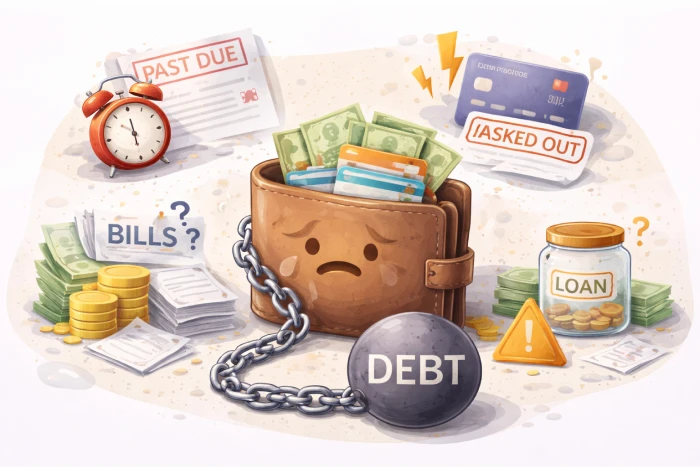
Debt can be a powerful financial tool. It helps you buy a home, fund education, or manage emergencies. But when borrowing becomes repetitive, stressful, and difficult to manage, you may be entering a debt trap.
A debt trap happens when you borrow new money to repay old debt, struggle to meet EMIs, and see your savings shrinking. In 2026, with digital lending apps and instant approvals becoming common, many borrowers do not realize they are overleveraged until it becomes overwhelming.
At Saarathi.ai, we have observed that early warning signs are often ignored. This guide will help you identify those signs and take corrective action before financial stress escalates.
What Is a Debt Trap?
A debt trap is a situation where:
EMIs consume a large portion of income
Interest keeps accumulating
Savings are depleted
New loans are taken to repay old ones
Regulatory updates and digital lending guidelines from the Reserve Bank of India emphasize responsible lending, but borrowers must also monitor their own financial behavior.
Debt becomes dangerous when it stops serving a purpose and starts controlling your cash flow.
12 Warning Signs You Are Entering a Debt Trap
1. Your EMIs Cross 40-50 Percent of Income
If total EMIs exceed 40 percent of net income, risk increases significantly.
Above 50 percent, you are financially stretched.
This includes:
Home loan EMI
Car loan EMI
Personal loan EMI
Credit card minimum dues
High EMI-to-income ratio reduces flexibility during emergencies.
2. You Are Paying Only Minimum Credit Card Dues
Paying only the minimum amount due means:
Interest continues to compound
Outstanding barely reduces
Effective interest rate may exceed 30 to 40 percent annually
This is one of the earliest red flags of a debt trap.
3. You Take a New Loan to Repay an Old One
If you frequently:
Use personal loan to clear credit cards
Take balance transfers repeatedly
Borrow from friends to pay EMIs
You may be in a rollover cycle.
Financial coverage in the Economic Times has highlighted the rise in unsecured loan growth across urban India. While access has improved, rollover behavior increases risk.
4. Your Savings Are Constantly Zero
If:
Emergency fund is exhausted
Salary gets consumed by EMIs
No monthly savings remain
You are financially fragile.
Industry stress analysis from CRISIL often shows that households with low liquidity buffers are more vulnerable during income disruptions.
No buffer means high stress.
5. You Avoid Checking Your Loan Statements
Ignoring loan balances or avoiding account checks indicates anxiety.
When you stop tracking numbers, debt may grow unnoticed.
Awareness is control. Avoidance increases risk.
6. Frequent Loan Top-Ups
Taking repeated top-ups before closing previous loans may indicate lifestyle inflation.
Common reasons include:
Festival spending
Gadget upgrades
Travel
Wedding overspending
Debt should not fund recurring lifestyle upgrades.
7. EMI Bounce or Late Payments
Even one EMI bounce can:
Reduce credit score
Trigger penalties
Increase stress
Repeated delays are a strong debt trap signal.
You can monitor applications and structured offers transparently in Saarathi Bazaar if loans are managed via Saarathi.ai.
8. Increasing Dependence on Buy Now Pay Later
Small deferred payments may feel harmless. But multiple BNPL obligations accumulate quickly.
If you cannot track total short-term obligations, you may be overextended.
9. Using Credit for Daily Expenses
If groceries, utility bills, or school fees are being paid through credit regularly due to cash shortage, debt is funding basic living.
This indicates structural imbalance between income and expenses.
10. Stress and Sleep Disturbance Due to EMIs
Financial stress often appears emotionally before it appears mathematically.
If loan reminders cause anxiety, your repayment capacity may be stretched beyond comfort.
At Saarathi.ai, we often advise borrowers to reassess loan structure before stress escalates.
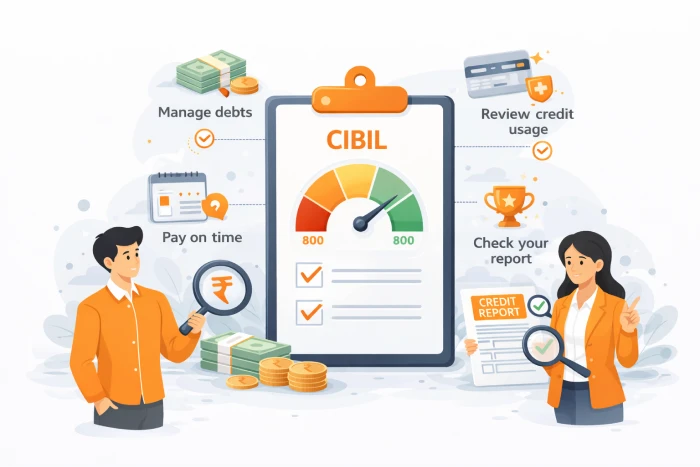
11. Declining Credit Score
If your credit score is dropping due to:
High credit utilization
Multiple applications
Missed EMIs
You may be entering risky territory.
Instead of applying randomly, compare personal loan offers on Saarathi.ai to avoid unnecessary hard inquiries.
12. No Clear Repayment Plan
If you cannot answer:
Which loan will close first?
How long until debt-free?
How much total interest will you pay?
You are operating without a strategy.
Lack of plan leads to prolonged debt cycles.
How to Break Early Signs of a Debt Trap
If you notice 2 to 3 warning signs, act immediately.
Step 1: List All Debts Clearly
Document:
Outstanding
Interest rate
EMI
Tenure
Clarity reduces panic.
Step 2: Stop New Borrowing
Pause new loans unless essential.
Impulse borrowing worsens debt cycles.
You can ask eligibility questions via Saarathi AI expert chatbot before making any new borrowing decision.
Step 3: Prioritize High-Interest Loans
Use the avalanche method to clear high-interest personal loans or credit cards first.
Reducing high-cost debt improves cash flow faster.
Step 4: Consider Restructuring or Refinancing
If interest rates are high, explore refinancing options.
On Saarathi.ai, borrowers can compare structured offers across 110 plus lenders to reduce rate burden and simplify EMIs.
Lower interest improves sustainability.
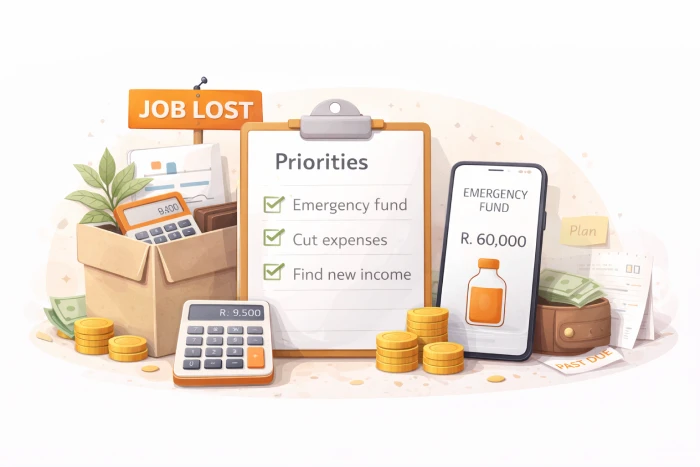
Step 5: Rebuild Emergency Fund Gradually
Even while repaying debt, allocate small monthly savings to rebuild a 3 to 6 months buffer.
Liquidity prevents repeat borrowing.
When to Seek Professional Help
If:
EMIs exceed 60 percent of income
Multiple payments are overdue
Legal notices are received
You should consult financial advisors or lender support teams immediately. Early communication prevents escalation.
Quick Self-Assessment Checklist
Answer honestly:
Are EMIs above 40 percent of income?
Am I borrowing to repay loans?
Is my emergency fund zero?
Do I pay only minimum credit dues?
Do I feel stressed about upcoming EMIs?
If you answered yes to multiple questions, you may be entering a debt trap.
FAQs
1. What is the first sign of a debt trap?
Consistently paying only minimum dues or borrowing to repay existing loans.
2. Is having multiple loans always risky?
Not necessarily. Risk arises when EMIs exceed comfortable income limits.
3. Can refinancing help escape a debt trap?
Yes, if it reduces interest rate and simplifies repayment structure.
4. What EMI ratio is dangerous?
Above 50 percent of net income is considered high risk.
5. How can Saarathi.ai help prevent debt traps?
You can compare transparent loan options, evaluate EMI affordability using AI-based recommendations, and track structured offers in Saarathi Bazaar for better financial control.
Conclusion
Debt is manageable when controlled. It becomes a trap when ignored.
Watch for these red flags:
EMIs above 40 to 50 percent
Paying minimum dues only
No emergency savings
Repeated refinancing
Rising financial stress
Early awareness is the strongest protection.
Take charge of your repayment strategy, explore structured refinancing options, and discover transparent loan solutions on Saarathi.ai today.