Is the Strong US Dollar Hurting Indian Borrowers, IT Employees, and Startups
|
A strong US dollar often makes headlines, especially when the rupee weakens sharply. But is the strong US dollar hurting Indian borrowers, IT employees, and startups in 2026? The answer is nuanced. While exporters and IT companies may benefit from higher dollar revenues, borrowers with foreign exposure, startups dependent on global capital, and inflation-sensitive households can face pressure. Currency movements influence inflation, RBI policy decisions, loan interest rates, and even hiring trends. In this article, we break down who gains, who loses, and how Indian borrowers can protect themselves during periods of dollar strength.
Why the US Dollar Strength Matters for India
When the US dollar strengthens globally, it usually happens due to:
Higher US interest rates
Strong US economic data
Global risk aversion
Geopolitical uncertainty
A strong dollar typically means the Indian rupee weakens. For example, if USD INR moves from 80 to 86, imports become more expensive.
India imports crude oil, electronics, machinery, and defense equipment. When the rupee weakens:
Fuel prices may rise
Inflationary pressure increases
Corporate margins shrink in import-heavy sectors
The Reserve Bank of India closely monitors currency volatility because it affects inflation and capital flows.
Impact on Indian Borrowers
1. Higher Inflation, Higher Interest Rates
A weaker rupee makes imports costlier. Higher fuel and input costs raise inflation. If inflation crosses RBI’s comfort band, monetary tightening may follow.
When RBI raises repo rates:
Floating home loan EMIs increase
Personal loan rates may rise
Business loan costs go up
At Saarathi.ai, we have observed that during periods of rupee weakness, lenders become slightly more cautious, especially in unsecured lending segments.
Borrowers with strong credit scores above 750 continue to receive competitive pricing, while borderline profiles may see higher spreads.
2. Foreign Currency Loans Become Riskier
Some businesses and high net worth individuals take External Commercial Borrowings or foreign currency loans. If the rupee depreciates:
Repayment burden increases in rupee terms
Hedging costs rise
Cash flow pressure builds
This is particularly relevant for startups and export import businesses.
3. Home Loan and Personal Loan Borrowers
If the strong dollar indirectly leads to repo rate hikes, floating rate loans adjust upward.
For example:
A 0.5 percent repo hike can increase EMI by a few thousand rupees on large home loans
Tenure extensions may occur automatically
You can compare home loan offers on Saarathi.ai to check which lenders are offering competitive spreads despite macro volatility.
Impact on IT Employees
1. Salary Advantage in Export-Focused Firms
IT services companies earn revenue in dollars. When the dollar strengthens:
Dollar revenues translate into higher rupee earnings
Profit margins may improve
Bonus pools may expand
Large IT exporters benefit when billing is dollar-denominated.
However, hiring trends depend on global demand. If US clients cut spending due to recession fears, project pipelines may slow despite currency gains.
2. Onsite Employees in the US
Indian IT employees earning in dollars benefit directly if they remit money to India. Their savings convert into more rupees.
But those planning to return to India with dollar-denominated expenses or liabilities must assess currency risk carefully.
3. ESOP Valuations in Tech Startups
For employees in venture-backed startups, valuation depends more on global funding sentiment than currency alone. A strong dollar often coincides with tighter US monetary policy, which can reduce venture capital flows.
Impact on Indian Startups
Startups are affected in multiple ways.
1. Funding Environment Tightens
When US interest rates rise and the dollar strengthens:
Global investors shift to safer assets
Venture capital deployment slows
Valuations correct
This is particularly relevant for tech startups dependent on US based funds.
2. Higher Cost of Imported Services
Many startups use:
Cloud infrastructure billed in dollars
SaaS tools priced in USD
International marketing services
A weaker rupee increases operating costs.
3. Export-Oriented Startups Benefit
SaaS companies billing in dollars may gain from currency translation benefits, similar to large IT firms.
However, revenue stability depends on global demand.
Does a Strong Dollar Always Hurt India?
Not necessarily.
There are both positives and negatives:
Positives:
Boost to IT and export revenues
Higher remittances from overseas Indians
Improved competitiveness of Indian exports
Negatives:
Imported inflation
Higher interest rate risk
Pressure on startups and import-heavy industries
India’s macro stability plays a key role. According to updates tracked by the Economic Times, currency volatility tends to moderate when foreign exchange reserves remain strong.
How RBI Responds to Dollar Strength
The Reserve Bank of India uses several tools:
Forex market intervention
Repo rate adjustments
Liquidity management
Macroprudential policies
RBI’s foreign exchange reserves provide a cushion to manage sharp rupee swings.
If inflation rises due to currency depreciation, rate hikes may follow. This directly impacts borrowers.
What Indian Borrowers Should Do
1. Monitor EMI to Income Ratio
Keep EMIs below 35 to 40 percent of monthly income.
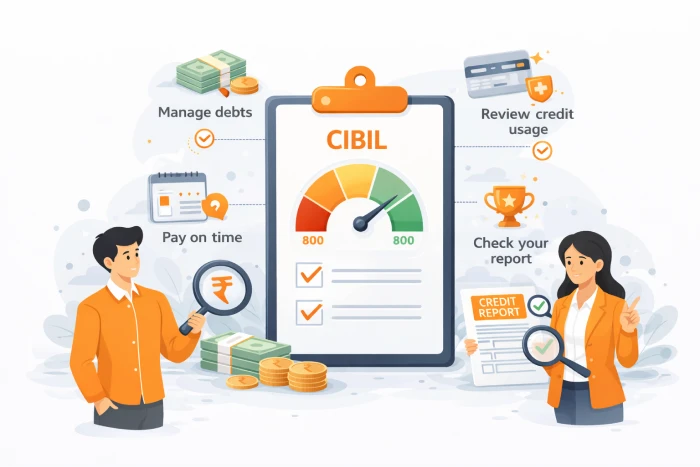
2. Strengthen Credit Profile
Higher credit scores help secure better rates during volatile cycles.
You can compare personal loan offers on Saarathi.ai to find lenders offering competitive pricing based on your profile.
3. Consider Fixed Rate Options
If rate hikes are expected, fixed rate loans may provide stability.
4. Avoid Overleveraging
Do not take multiple unsecured loans during uncertain macro conditions.
You can ask eligibility questions via Saarathi AI expert before applying, which reduces unnecessary hard inquiries.
5. Track Your Loan Journey Transparently
Use Saarathi Bazaar to track your application in Saarathi Bazaar and stay updated on lender communication and rate changes.
Real-World Example Scenario
Suppose the dollar strengthens from 82 to 88 against the rupee.
Potential chain reaction:
Oil imports become costlier
Inflation rises
RBI considers rate hike
Repo increases by 0.5 percent
Floating home loan EMIs adjust upward
However, if inflation remains controlled and global demand stabilizes, RBI may hold rates steady despite currency weakness.
At Saarathi.ai, we have seen that proactive borrowers who compare across 110 plus lenders often secure better terms even during volatile cycles because pricing differs widely across institutions.
FAQs
Does a strong US dollar increase home loan EMIs in India?
Indirectly yes. If a strong dollar leads to higher inflation and repo rate hikes, floating rate home loan EMIs may increase.
Are IT employees better off with a strong dollar?
Export-focused IT employees may benefit due to higher rupee realization. However, hiring depends on global demand conditions.
Do startups suffer when the dollar strengthens?
Funding conditions often tighten when US rates rise. Startups dependent on foreign capital may face valuation pressure.
Should I delay taking a loan during currency volatility?
Not necessarily. If your income is stable and EMI ratio is healthy, borrowing remains viable with careful lender comparison.
How can I secure the best rate in uncertain times?
Maintain a high credit score, compare multiple lenders, and use AI-based eligibility tools to avoid rejection.
Conclusion
A strong US dollar does not automatically hurt everyone in India. IT exporters and remittance earners may benefit, while borrowers and startups can face pressure due to inflation and interest rate risks.
The real impact depends on RBI policy response, global demand, and domestic inflation trends.
For borrowers, the focus should remain on credit health, disciplined borrowing, and transparent lender comparison.
Discover personalized loan options on Saarathi.ai today and make confident financial decisions even in a strong dollar environment.