Is Stagflation a Real Risk in 2026?
|
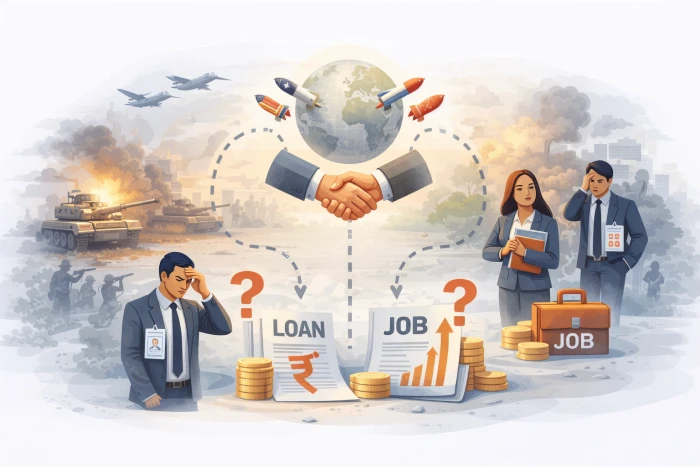
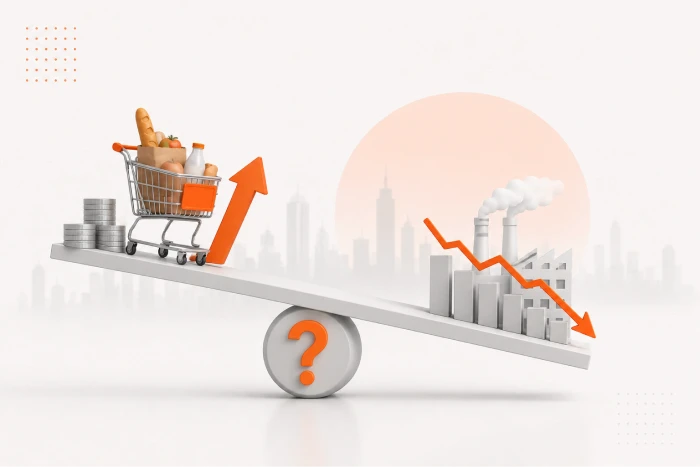
Stagflation is one of the most challenging economic situations because it combines two difficult conditions: slow economic growth and high inflation. In 2026, global uncertainties like geopolitical tensions, supply chain disruptions, and commodity price volatility have raised concerns about whether stagflation could return. For India, the situation is complex. While strong domestic demand offers resilience, global pressures can still influence inflation and borrowing costs. At Saarathi.ai, we have observed that macroeconomic risks like stagflation directly impact loan affordability, interest rates, and financial planning. In this guide, we explain whether stagflation is a real risk in 2026 and what it means for you.
What Is Stagflation
Stagflation is:
High inflation
Slow or stagnant economic growth
Rising unemployment
This combination is difficult because:
Policies to control inflation can slow growth further
Why Stagflation Is a Concern in 2026
Persistent Inflation
Factors like:
High commodity prices
Supply disruptions
Can keep inflation elevated.
Slowing Global Growth
Global slowdown reduces:
Demand
Investment
Geopolitical Uncertainty
Conflicts increase:
Market volatility
Economic instability
Tight Monetary Policies
Higher interest rates:
Control inflation
But slow economic growth
Is India at Risk of Stagflation
Strong Domestic Demand
India’s consumption-driven economy:
Supports growth
Government Spending
Infrastructure investments:
Boost economic activity
Controlled Inflation (Relatively)
RBI policies aim to:
Keep inflation in check
Conclusion:
Full stagflation risk is limited but not impossible
Impact of Stagflation on Loans
Higher Interest Rates
To control inflation:
Rates may increase
Impact:
Higher EMIs
Increased borrowing cost
Reduced Loan Eligibility
Lenders may:
Tighten criteria
Reduce risk exposure
Lower Credit Demand
Consumers may:
Delay borrowing
Impact on Personal Finances
Rising Cost of Living
Inflation increases:
Daily expenses
Income Pressure
Slow growth affects:
Salary growth
Business income
Increased Financial Stress
Balancing expenses and EMIs becomes harder.
Impact on Businesses
Higher Input Costs
Raw materials become:
Expensive
Lower Demand
Consumers spend less.
Cash Flow Challenges
Businesses may need:
Working capital loans
You can compare personal loan offers on Saarathi.ai and business funding options.
Opportunities Despite Stagflation Risk
Better Financial Discipline
Consumers become:
More cautious
Efficient Business Models
Companies focus on:
Cost control
Productivity
Strategic Borrowing
Borrowers choose:
Affordable loans
Smart repayment plans
How Borrowers Can Prepare
Focus on EMI Affordability
Keep EMI within 30 to 40 percent of income
Reduce Existing Debt
Lower financial burden
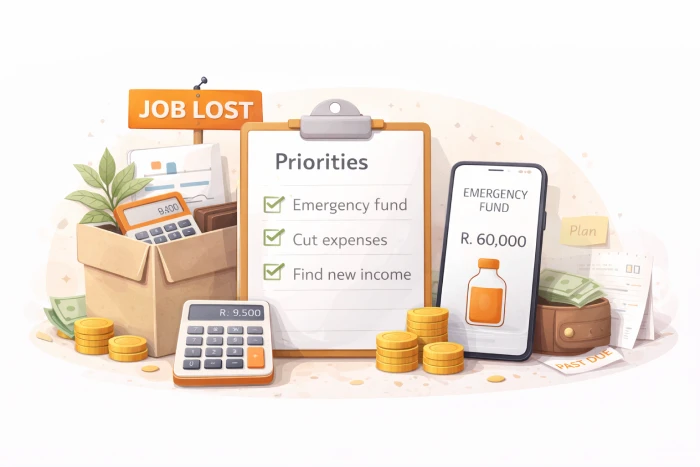
Maintain Emergency Fund
Handle unexpected costs
Choose Loans Carefully
Compare lenders
Check total cost
You can ask eligibility questions via Saarathi AI expert for personalized insights.
How Saarathi.ai Helps in Uncertain Economic Conditions
AI-Based Recommendation Engine
Matches you with lenders suited to current conditions.
Smart Eligibility Insights
Know your borrowing capacity.
Saarathi Bazaar Dashboard
Track your application in Saarathi Bazaar and compare offers.
Paperless Process
Apply quickly and efficiently.
Real Insight from Saarathi.ai
At Saarathi.ai, we have observed that borrowers who plan finances conservatively and focus on affordability are better able to navigate uncertain economic conditions like potential stagflation.
Impact of Economic Trends in 2026
Insights from CRISIL and Economic Times show:
Moderate growth outlook
Controlled but persistent inflation
Increased financial caution
This suggests a cautious but stable environment.
FAQs
What is stagflation?
It is high inflation with slow economic growth.
Is stagflation likely in 2026?
Risk exists globally but is moderate in India.
How does stagflation affect loans?
It can increase interest rates and reduce eligibility.
Should I take out a loan during stagflation?
Yes, but plan carefully.
How to manage finances during stagflation?
Focus on budgeting and reducing debt.
Can Saarathi.ai help?
Yes, with AI-based insights and comparisons.
Conclusion
While stagflation is a potential risk in 2026, India’s strong domestic fundamentals provide some protection. However, global uncertainties mean borrowers and businesses must stay cautious and prepared.
Understanding economic trends helps you make smarter financial decisions.
Discover personalized loan options on Saarathi.ai today and navigate uncertain times with confidence, smarter planning, and better financial choices.