Is India’s Rapid Credit Growth Sustainable in a Slowing Global Economy?
|
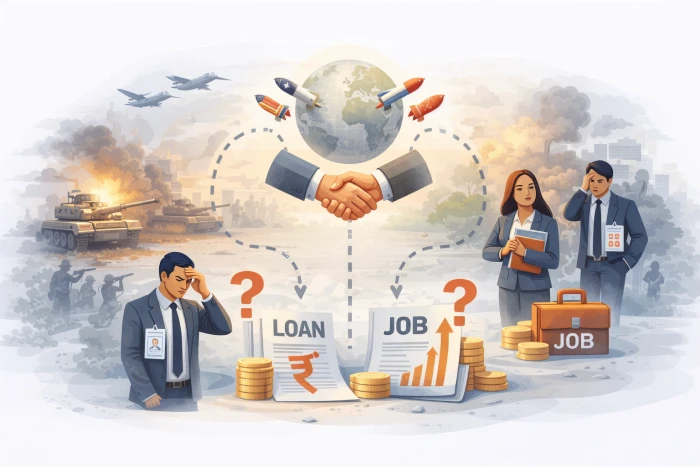
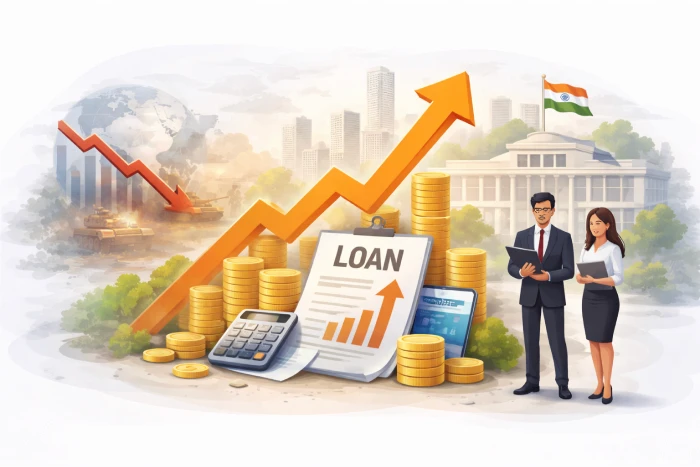
India’s banking and NBFC sector has witnessed strong double digit credit growth over the past few years. Retail loans, MSME finance, and infrastructure lending have expanded rapidly even as parts of the global economy slow down. This raises an important question for borrowers and investors: is India’s rapid credit growth sustainable in a slowing global economy? The answer depends on asset quality, capital buffers, inflation trends, and regulatory oversight. In this article, we break down the drivers of credit expansion, key risks, RBI safeguards, and what this means for home loan, personal loan, and business loan borrowers in 2026.
What Is Driving India’s Rapid Credit Growth?
India’s credit growth has been fueled by several structural factors:
Rising retail demand for home loans and personal loans
Government infrastructure push
Formalization of MSMEs through GST
Digital lending penetration
Strong domestic consumption
According to periodic data releases from the Reserve Bank of India, non food bank credit growth has remained robust across retail and services sectors.
At Saarathi.ai, we have observed a steady rise in first time borrowers seeking AI guided comparisons across 110 plus lenders, especially in Tier 2 and Tier 3 cities. Digital access has widened the credit base significantly.
Retail Loans: The Growth Engine
Home Loans
Housing demand remains strong due to:
Urbanization
Rising disposable income
Government incentives in past budgets
Tax benefits under income tax laws
Long tenure home loans create predictable cash flow for banks, making them relatively safer compared to unsecured lending.
You can compare home loan offers on Saarathi.ai to see how different lenders price risk in the current cycle.
Personal Loans
Unsecured personal loans have grown faster than secured loans.
Drivers include:
Instant digital approvals
Consumption demand
Medical and education needs
However, unsecured credit also carries higher default risk during economic slowdowns.
You can compare personal loan offers on Saarathi.ai to evaluate interest rate differences based on credit score and income profile.
Global Slowdown: What Are the Risks?
A slowing global economy can impact India through:
Lower export demand
IT services revenue pressure
Reduced foreign capital inflows
Commodity price volatility
If global growth weakens significantly:
Corporate earnings may decline
Hiring may slow
MSME cash flows may tighten
This can affect loan repayment capacity in certain sectors.
As often reported by Economic Times, global uncertainty increases risk aversion among investors, impacting capital flows to emerging markets.
Are Banks and NBFCs Overextending?
A key sustainability question is asset quality.
1. Non Performing Assets
India’s banking sector has significantly reduced gross NPA ratios compared to previous stress cycles. Strong recovery mechanisms and insolvency frameworks have improved credit discipline.
2. Capital Adequacy
Banks and large NBFCs maintain capital adequacy ratios above regulatory minimums set by the Reserve Bank of India.
Rating agencies such as CRISIL have highlighted improved provisioning buffers and stronger balance sheets across major lenders.
3. Retail vs Corporate Mix
Unlike the previous credit boom that was driven by large corporate exposure, current growth is more diversified across retail, MSMEs, and services. This reduces concentration risk.
However, rapid unsecured credit expansion remains an area regulators monitor closely.
Inflation and Interest Rate Sensitivity
Credit sustainability also depends on interest rates.
If inflation rises due to:
Oil price spikes
Currency volatility
Supply chain disruptions
The RBI may tighten policy.
Higher repo rates increase EMIs for floating rate borrowers. If incomes do not rise proportionately, repayment stress may increase.
At Saarathi.ai, we have observed that borrowers with EMI to income ratios above 45 percent face higher vulnerability during rate hikes.
The Role of Digital Lending in Sustainability
Digital platforms have changed the credit landscape.
Benefits include:
AI driven credit assessment
Bureau based underwriting
GST data integration for MSMEs
Faster approval cycles
The Saarathi Recommendation Engine analyzes borrower data and matches applicants with lenders most likely to approve at competitive rates. This improves capital allocation efficiency and reduces rejection risk.
You can ask eligibility questions via Saarathi AI expert before applying to avoid unnecessary hard inquiries.
You can also track your application in Saarathi Bazaar for complete transparency during processing.
Efficient matching reduces systemic risk by ensuring borrowers are not over leveraged with unsuitable products.
Key Warning Signs to Watch
For credit growth to remain sustainable, the following indicators must stay healthy:
Stable gross NPA ratios
Controlled inflation
Moderate current account deficit
Healthy employment growth
Stable bond yields
If multiple stress indicators rise simultaneously, credit growth may slow.
Is a Credit Bubble Forming?
A credit bubble typically forms when:
Lending standards weaken
Risk assessment becomes lax
Asset prices inflate unsustainably
Debt grows faster than income
Currently, India’s regulatory oversight remains strong. The Reserve Bank of India conducts regular stress tests and sectoral risk reviews.
While unsecured retail credit growth is being monitored, systemic indicators do not currently resemble past crisis conditions.
What Borrowers Should Do in a Rapid Credit Cycle
1. Avoid Over Borrowing
Just because credit is easily available does not mean it should be maximized.
2. Maintain a Healthy EMI Ratio
Keep EMIs within 35 to 40 percent of monthly income.
3. Choose the Right Lender
Interest rates and processing standards vary widely.
You can compare loan offers on Saarathi.ai to identify lenders offering sustainable pricing based on your risk profile.
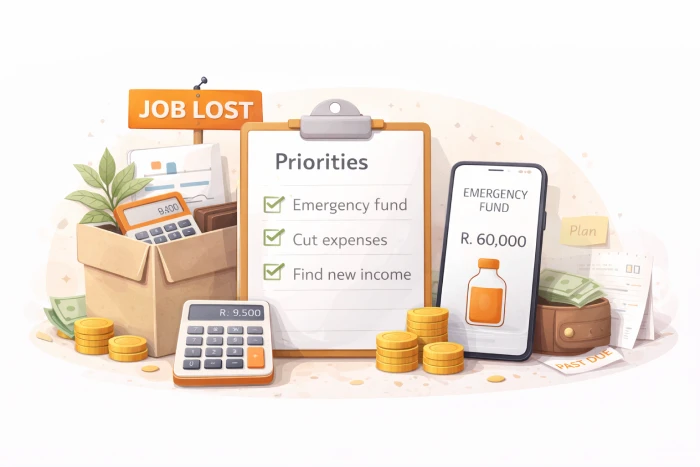
4. Build Emergency Savings
Maintain at least 6 months of EMI buffer.
5. Monitor Economic Trends
Stay aware of inflation and repo rate announcements.
Long Term Outlook for India
India’s credit growth is supported by:
Strong domestic consumption
Infrastructure investment
Demographic dividend
Digital financial inclusion
Unlike export dependent economies, India’s growth is largely consumption driven, which provides resilience during global slowdowns.
However, sustainability depends on disciplined lending, strong regulation, and borrower prudence.
FAQs
Is India’s credit growth too fast?
Credit growth is strong but supported by improved asset quality and capital buffers. Regulators are actively monitoring risk segments.
Can a global recession slow Indian lending?
Yes. Export dependent sectors and IT services may face pressure, which can moderate credit demand.
Are unsecured loans riskier during slowdowns?
Yes. Personal loans and credit cards are more sensitive to income shocks compared to secured home loans.
Should I take a loan during rapid credit expansion?
If your income is stable and EMI ratio is manageable, borrowing remains viable with careful planning.
How can I reduce loan risk in uncertain times?
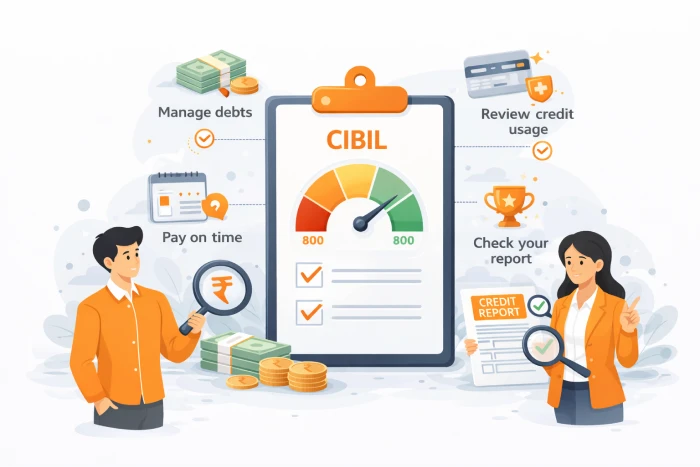
Maintain high credit scores, avoid excessive leverage, and compare lenders before finalizing terms.
Conclusion
India’s rapid credit growth reflects strong domestic demand, improved financial inclusion, and better digital underwriting. While a slowing global economy introduces risks, India’s banking system is more resilient than in previous cycles.
Sustainability depends on balanced lending, stable inflation, and prudent borrower behavior.
If you are planning a home loan, personal loan, or business loan, focus on affordability, transparency, and smart comparison rather than market headlines.
Discover personalized loan options on Saarathi.ai today and make informed financial decisions in a changing global economy.