How to avoid emotional borrowing decisions?
|
Borrowing is easier than ever in 2026. With instant approvals, paperless KYC, and pre-approved offers flashing on your phone, taking a loan can feel effortless. But convenience often fuels impulse.
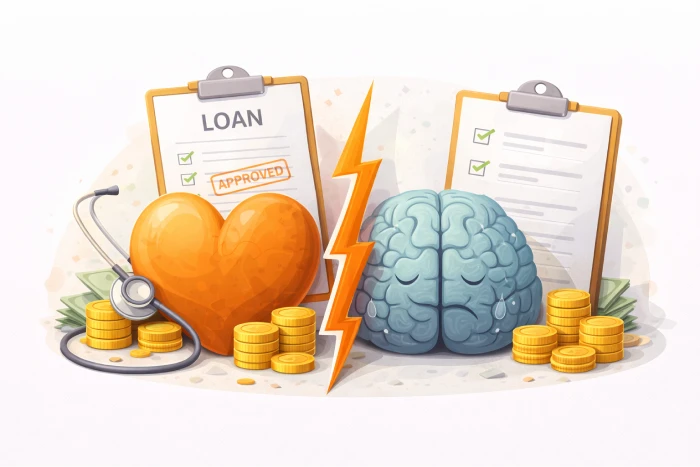
Emotional borrowing decisions happen when you take a loan based on pressure, fear, excitement, or comparison rather than financial logic. At Saarathi.ai, we have observed that many borrowers regret loans not because of high interest rates, but because the decision was rushed.
In this guide, you will learn practical frameworks to avoid emotional borrowing, assess affordability objectively, and use digital tools wisely.
What Is Emotional Borrowing?
Emotional borrowing is when you take a loan driven by feelings instead of numbers.
Common triggers include:
Social pressure during weddings or festivals
Fear during medical emergencies
Excitement over lifestyle upgrades
Flash sales and limited-time offers
Comparing yourself with peers
While the loan may be approved, your long-term cash flow may suffer.
Why Emotional Borrowing Is Risky in 2026
India’s digital lending ecosystem has expanded rapidly. Policy updates and consumer advisories from the Reserve Bank of India emphasize transparency, digital lending guidelines, and responsible practices.
Despite regulations, borrowers must protect themselves from over-leveraging. Reports in the Economic Times often highlight rising unsecured loan growth in urban India. This growth reflects access, but also rising EMI commitments.
Easy access should not mean easy mistakes.
10 Practical Ways to Avoid Emotional Borrowing
1. Follow the 48-Hour Rule
If the expense is not an emergency, wait 48 hours before applying.
During this period:
Calculate EMI
Compare lenders
Check alternatives
Review savings
Time reduces emotional intensity.
2. Separate Wants from Needs
Ask yourself clearly:
Is this essential?
Can it wait 3 months?
Will it generate income or long-term value?
Examples of needs:
Medical emergencies
Education fees
Critical home repair
Examples of wants:
Luxury vacation
Expensive phone upgrade
Oversized wedding budget
Not every desire deserves an EMI.
3. Use the 40 Percent EMI Cap
Total EMIs should ideally stay below 35 to 40 percent of net income.
If your new loan pushes you above this level, pause.
At Saarathi.ai, our Recommendation Engine automatically evaluates your EMI-to-income ratio and suggests safer loan amounts rather than maximum eligibility.
Approval does not equal affordability.
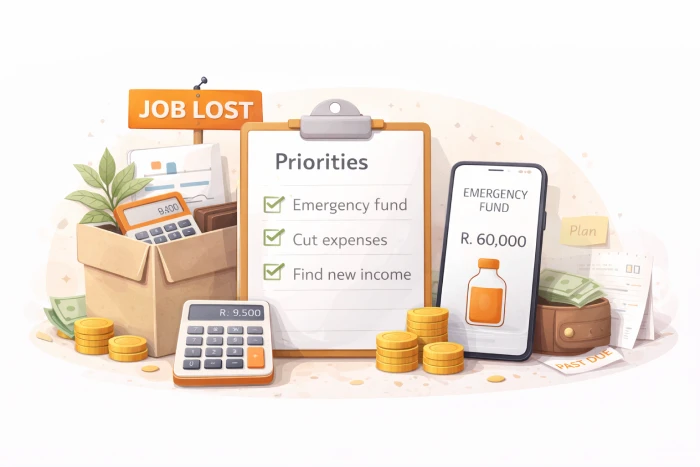
4. Always Maintain an Emergency Fund
Before taking a new loan, ensure you have:
6 months of expenses saved if salaried
9 to 12 months if self-employed
Industry resilience insights from CRISIL show that households with adequate liquidity manage financial stress better during income disruptions.
If a loan reduces your safety buffer drastically, rethink it.
5. Calculate Total Cost, Not Just EMI
EMI looks small. Total repayment may not.
Example:
Loan amount: Rs 5 lakh
Interest rate: 15 percent
Tenure: 5 years
Total repayment may exceed Rs 7 lakh.
Add:
Processing fees
GST
Insurance
Prepayment charges
When you see the full cost, emotions reduce.
On Saarathi.ai, you can compare personal loan offers on Saarathi.ai and view transparent cost breakdowns across lenders.
6. Avoid Social Comparison Borrowing
Social media often creates pressure:
Destination weddings
Bigger homes
Premium gadgets
Luxury cars
Borrowing to match someone else's lifestyle is dangerous. Your financial reality is different from theirs.
Focus on long-term stability, not short-term display.
7. Do Not Borrow Under Pressure
Family or social pressure can influence decisions.
Common scenarios:
Expensive wedding expectations
Supporting extended family beyond capacity
Festival spending
Politely communicate your budget. Debt should not be taken to satisfy social expectations.
8. Avoid Multiple Loan Applications
When emotions drive urgency, borrowers apply to many lenders at once.
This can:
Lower credit score
Create confusion
Increase rejection risk
Instead, use a single trusted marketplace. On Saarathi.ai, you can explore multiple lender offers without chaotic applications and track everything through Saarathi Bazaar dashboard.
9. Stress-Test the EMI
Before finalizing, ask:
Can I manage this EMI if interest rates rise?
What if I lose income for 2 months?
Will I stop SIPs to pay this EMI?
If the EMI compromises investments or basic lifestyle, it is likely emotional borrowing.
10. Use Data, Not Feelings
Replace impulse with structured evaluation:
Create a simple decision checklist:
Emergency fund intact?
EMI below 40 percent?
Total cost calculated?
Loan purpose essential?
Alternative explored?
If any major box is unchecked, delay the loan.
You can also ask eligibility questions via Saarathi AI expert chatbot before applying. Data reduces regret.
Emotional Borrowing Triggers and Smarter Responses
Emotional Trigger | Risk | Smarter Action |
Wedding pressure | Overspending | Fix budget cap |
Festival sales | Impulse buying | 48-hour rule |
Medical panic | High-cost loan | Compare options calmly |
Job promotion | Lifestyle inflation | Increase savings first |
Peer comparison | Long-term EMI burden | Focus on goals |
Awareness reduces impulse.
When Borrowing Is Rational
Not all borrowing is emotional. It becomes strategic when:
It funds education or skill upgrade
It expands business income
It purchases appreciating assets
EMI fits comfortably within income
You have emergency reserves
The difference is planning.
Build a Borrowing Policy for Yourself
Just like companies have lending policies, you should too.
Your personal borrowing policy may include:
No EMI above 35 percent of income
No loan for depreciating luxury
Always compare 3 structured offers
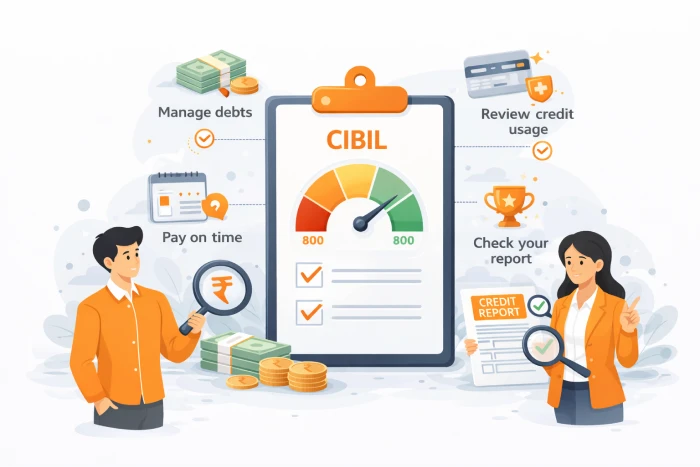
Maintain minimum 6 months emergency fund
Review credit score before applying
At Saarathi.ai, we encourage disciplined borrowing through AI-based recommendations, paperless processing, and full transparency.
FAQs
1. What is emotional borrowing?
It is taking a loan driven by feelings like excitement or pressure rather than financial logic.
2. How long should I wait before taking a non-urgent loan?
At least 48 hours to evaluate affordability and alternatives.
3. Is it wrong to take a loan for a wedding?
Not necessarily, but only if EMI fits safely within income and emergency savings remain intact.
4. Can digital loan apps increase impulsive borrowing?
Yes, instant approvals may reduce decision time. Always calculate total cost before accepting.
5. How can Saarathi.ai help me borrow responsibly?
You can compare transparent offers, check EMI scenarios, evaluate eligibility through AI, and track applications in Saarathi Bazaar for complete clarity.
Conclusion
Emotional borrowing feels easy today but stressful tomorrow.
To avoid regret:
Pause before applying
Cap EMIs below 40 percent
Protect emergency savings
Calculate total cost
Borrow for value, not validation
Responsible borrowing builds wealth. Emotional borrowing builds pressure.
Make data-driven decisions, compare structured offers, and discover personalized loan options on Saarathi.ai today.