Emergency Fund vs Investments: What Should You Build First?
|
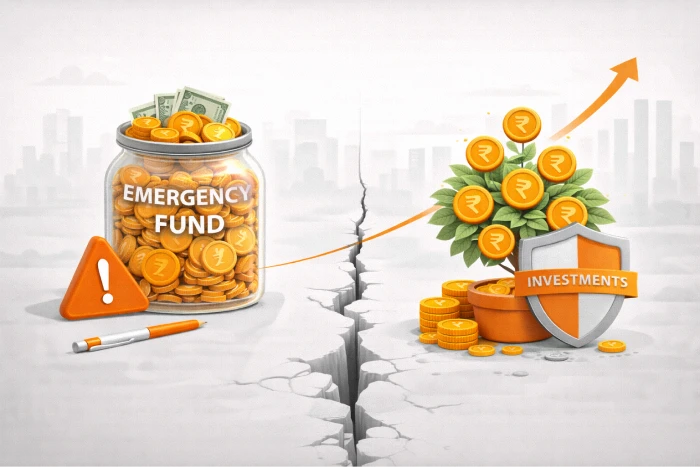
One of the most common financial questions Indians face is whether they should focus on building an emergency fund or start investing immediately. Both are essential parts of a healthy financial plan, but their purpose is very different. An emergency fund protects you during unexpected financial shocks, while investments help grow wealth over time.
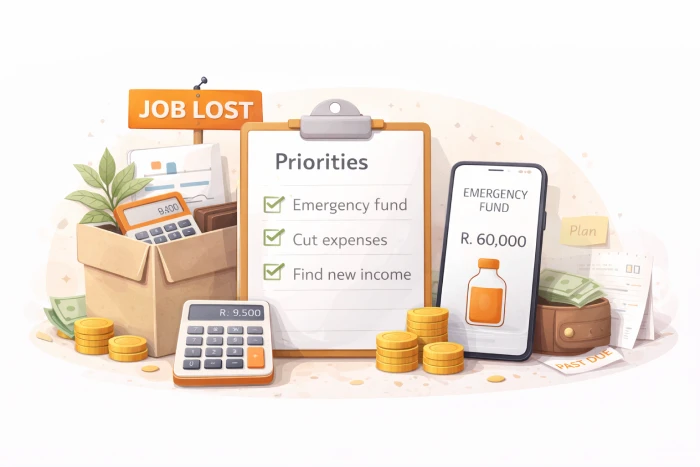
Without a financial safety net, even disciplined investors may be forced to withdraw investments during emergencies such as job loss, medical expenses, or sudden repairs. At Saarathi.ai, we have observed that individuals who build a strong emergency fund first are better prepared to handle financial uncertainty while continuing long-term investments. Understanding the difference between emergency savings and investments helps create a stable and resilient financial strategy.
What is an Emergency Fund?
An emergency fund is a dedicated savings reserve used to cover unexpected expenses. These funds act as a financial cushion during situations that disrupt normal income or create urgent financial needs.
Common situations where an emergency fund becomes essential include:
Job loss or income interruption
Medical emergencies
Urgent home or vehicle repairs
Unexpected travel expenses
Temporary business slowdowns
Unlike investments, emergency funds prioritize liquidity and safety rather than high returns.
Financial planners generally recommend maintaining three to six months of living expenses in an emergency fund.
What Are Investments?
Investments are financial instruments used to grow wealth over time. They are designed to generate returns through interest, dividends, or capital appreciation.
Common investment options in India include:
Mutual funds
Stocks
Fixed deposits
Public Provident Fund (PPF)
National Pension System (NPS)
Real estate
Gold
While investments offer growth potential, many of them carry some level of risk and may fluctuate in value over time.
This makes them less suitable for immediate emergency needs.
Why an Emergency Fund Should Usually Come First
Before building long-term investments, establishing an emergency fund provides financial stability.
Protects Your Investments
If emergencies occur without savings, individuals may need to withdraw investments early.
This can lead to losses, especially if markets are down.
An emergency fund allows investments to remain untouched during difficult situations.
Reduces Financial Stress
Unexpected expenses can create significant financial pressure.
Having emergency savings provides peace of mind and reduces the need to rely on high-interest debt.
Prevents Costly Borrowing
Without emergency savings, people often depend on credit cards or personal loans during emergencies.
These borrowing options usually carry higher interest rates.
At Saarathi.ai, we often see borrowers seeking quick financing because unexpected expenses arise without sufficient savings.
Planning an emergency fund first can reduce this financial pressure.
Where Should You Keep an Emergency Fund?
Emergency funds should be stored in safe and easily accessible financial instruments.
The goal is to ensure quick access while preserving capital.
Suitable options include:
Savings accounts
Savings accounts provide instant access to funds and are ideal for emergency liquidity.
Liquid mutual funds
Liquid funds offer slightly better returns than savings accounts while maintaining high liquidity.
Short-term deposits
Short-term fixed deposits allow investors to earn modest returns while keeping funds accessible.
Avoid placing emergency savings in volatile investments such as equities because market fluctuations can reduce available funds during emergencies.
When Should You Start Investing?
Once a basic emergency fund is in place, individuals can gradually begin investing.
A practical approach is to first build at least three months of living expenses in emergency savings before starting investments.
After this milestone, investors can begin allocating funds toward long-term wealth-building assets.
For example:
Monthly income: ₹80,000
Monthly expenses: ₹40,000
Emergency fund target (six months): ₹2.4 lakh
Once the initial savings target is reached, individuals can start investing surplus income while continuing to strengthen the emergency fund.
Balancing Emergency Savings and Investments
Financial planning does not always require choosing one over the other. Many individuals gradually build both simultaneously after establishing a basic safety buffer.
A balanced financial strategy could include:
Step 1: Build three months of emergency savings
Step 2: Start small investments through SIPs
Step 3: Continue growing emergency savings toward six months of expenses
This approach maintains liquidity while allowing long-term wealth creation.
At Saarathi.ai, we have observed that individuals who combine disciplined saving with consistent investing build stronger financial resilience over time.
Common Mistakes People Make
Several mistakes can weaken financial stability when managing savings and investments.
Investing without emergency savings
Starting investments without a safety net may force premature withdrawals during financial emergencies.
Keeping excessive funds idle
While emergency funds are essential, keeping too much money in low-return savings accounts may reduce long-term wealth growth.
Ignoring inflation
Emergency funds should maintain purchasing power. Periodic adjustments may be required to account for rising living costs.
Underestimating expenses
Many people underestimate how much emergency savings they actually need.
Accurate budgeting helps determine realistic savings targets.
Role of Digital Platforms in Financial Planning
Technology is making financial planning easier for individuals across India.
Digital financial platforms provide tools to manage savings, evaluate investments, and compare financial products.
For example, individuals planning major financial commitments can compare personal loan offers on Saarathi.ai to evaluate different lenders and interest rates.
Borrowers can also ask eligibility questions via Saarathi AI expert to understand documentation requirements, credit eligibility, and loan options instantly.
Saarathi.ai connects borrowers with more than 110 banks and NBFCs across India. Through the Saarathi Recommendation Engine, users receive lender matches based on financial profiles.
Users can also track your application in Saarathi Bazaar, allowing complete transparency during the loan process.
These digital tools help individuals align emergency savings, investments, and borrowing decisions within a single financial strategy.
Frequently Asked Questions
Should I invest before building an emergency fund?
Financial experts generally recommend building at least three months of emergency savings before starting long-term investments.
How much emergency fund should I maintain?
Most financial planners suggest maintaining three to six months of living expenses as an emergency fund.
Can emergency funds be invested in mutual funds?
Emergency funds should remain in highly liquid and low-risk options such as savings accounts or liquid funds rather than volatile investments.
What happens if I invest without emergency savings?
Without emergency savings, unexpected expenses may force you to withdraw investments early or take high-interest loans.
When should I increase my emergency fund?
Emergency funds should be reviewed periodically, especially after major life changes such as job changes, family expansion, or increased expenses.
Conclusion
Both emergency funds and investments play critical roles in building long-term financial security. While investments help grow wealth over time, emergency savings protect individuals from financial shocks that could disrupt long-term plans.
Establishing an emergency fund first creates a stable financial foundation. Once basic savings are secured, individuals can begin investing gradually while continuing to strengthen their financial safety net.
A balanced approach that combines disciplined savings, strategic investments, and responsible borrowing can significantly improve financial resilience.
At Saarathi.ai, we believe better financial decisions begin with the right information and accessible tools. Whether you are planning savings, evaluating investments, or exploring loan options, digital platforms can simplify your financial journey.
Discover personalized loan options and take control of your financial future with Saarathi.ai today.