Which Loans to Pay Off First in India: Smart Debt Strategy 2026
|
If you are juggling multiple EMIs, the question is not whether to repay loans early but which loans to pay off first. Many Indian borrowers make the mistake of closing smaller EMIs or emotionally stressful loans, while ignoring high-interest debt that silently drains wealth. In 2026, with interest rates stabilising and RBI focusing on responsible lending, having a clear loan repayment strategy matters more than ever. At Saarathi.ai, we have observed that borrowers who follow a structured payoff order save up to 20-30 percent on total interest over the loan tenure. This guide explains the smartest way to prioritise loans in India, balancing interest cost, tax benefits, credit score impact, and cash flow. Whether you have personal loans, credit card dues, home loans, or business loans, this blog will help you take control of debt with clarity and confidence.
Why Loan Repayment Order Matters
Paying off loans randomly feels productive but often costs more in the long run. The order in which you repay debt affects:
Total interest paid over time
Monthly cash flow and financial flexibility
Credit score and future loan eligibility
Stress levels and financial confidence
Indian households today typically hold a mix of secured and unsecured loans. According to insights referenced by Reserve Bank of India, unsecured lending has grown faster than secured credit in recent years, making prioritisation essential.
Two Popular Loan Repayment Methods Explained
Before deciding which loans to close first, you need to understand the two most common repayment strategies.
Debt Avalanche Method
This method focuses on interest rate priority. You pay off the loan with the highest interest rate first while paying minimum EMIs on others.
Best for: Saving maximum money on interest
Ideal for: Financially disciplined borrowers
Debt Snowball Method
This approach prioritises smallest outstanding balance first, regardless of interest rate.
Best for: Psychological motivation
Ideal for: Borrowers who need quick wins to stay consistent
At Saarathi.ai, we usually recommend a hybrid approach that combines logic with motivation, especially for first-time borrowers.
Which Loans Should You Pay Off First in India
1. Credit Card Dues and BNPL Loans
Credit cards and Buy Now Pay Later loans carry interest rates of 30-45 percent annually if unpaid.
Why they come first:
Highest interest cost
Compounding happens monthly
Missed payments severely damage credit score
Action tip: Always clear full credit card outstanding, not just minimum due. Use Saarathi AI expert to assess personal loan options if consolidation makes sense.
2. Personal Loans
Personal loans typically charge 11-24 percent interest, depending on credit profile.
Why to prioritise them:
Unsecured and expensive
No tax benefits
Fixed EMIs strain monthly cash flow
At Saarathi.ai, we have seen borrowers reduce EMIs by refinancing personal loans through AI-matched lender offers on our platform.
3. Consumer Durable and Instant App Loans
These include smartphone loans, app-based instant credit, and zero-cost EMI schemes with hidden charges.
Why they matter:
High processing fees
Short tenures create EMI clutter
Often linked to aggressive recovery practices
Closing these early simplifies finances and improves peace of mind.
4. Business Loans Without Tax Optimisation
Business loans are not always bad debt, but poorly structured ones can hurt cash flow.
Prioritise if:
Interest exceeds business returns
Loan is not generating revenue
EMI pressure affects working capital
According to CRISIL data, MSMEs with optimised loan structures show significantly better survival rates.
5. Car Loans
Car loans usually carry 8-12 percent interest.
Why they rank lower:
Secured loan with moderate interest
Asset depreciates but cost is manageable
Prepayment charges may apply
If you plan to sell the car soon, early closure may make sense.
6. Home Loans
Home loans are usually the last to prepay, not the first.
Reasons:
Lowest interest among retail loans
Long tenure keeps EMIs affordable
Section 80C and 24(b) tax benefits
Inflation reduces real cost over time
Financial experts quoted in Economic Times often suggest investing surplus funds instead of aggressive home loan prepayment, especially in early years.
Loan Payoff Priority Table for Quick Reference
Loan Type | Interest Rate Range | Priority Level |
Credit Card / BNPL | 30-45% | Very High |
Personal Loan | 11-24% | High |
Instant App Loans | 18-36% | High |
Business Loan | 10-22% | Medium |
Car Loan | 8-12% | Low |
Home Loan | 8-10% | Lowest |
Factors to Consider Before Prepaying Any Loan
Tax Benefits
Home loans and some education loans offer tax deductions. Closing them early may reduce tax efficiency.
Emergency Fund
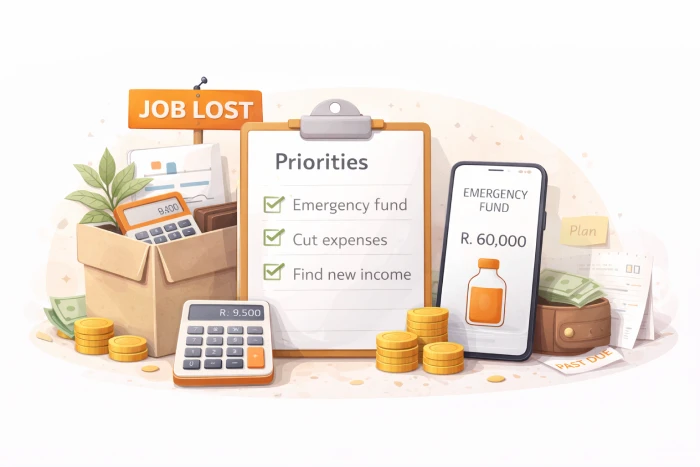
Never use emergency savings to close loans. Maintain at least 6 months of expenses before aggressive prepayment.
Prepayment Charges
Many lenders charge 2-5 percent foreclosure fees, especially on fixed-rate loans.
Credit Score Impact
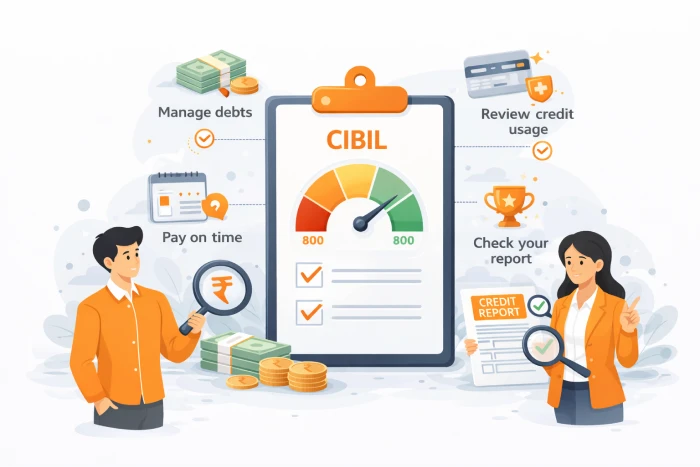
Closing unsecured loans improves credit utilisation, but closing your oldest credit account may slightly reduce credit history length.
Smart Strategies to Repay Loans Faster in 2026
Increase EMI annually as income grows
Use bonuses and incentives for partial prepayments
Consolidate high-interest loans into one lower-cost loan
Track all offers digitally using Saarathi Bazaar dashboard
Check eligibility instantly via Saarathi AI expert without impacting credit score
FAQs: Which Loans to Pay Off First
Should I close my home loan early or invest instead?
If your investment returns exceed home loan interest, investing may be smarter.
Is it better to prepay personal loan or car loan first?
Personal loans should be prepaid first due to higher interest and no tax benefits.
Does loan prepayment improve credit score?
Yes, especially for unsecured loans, as it improves credit utilisation ratio.
Should I take a new loan to close old loans?
Only if the new loan has significantly lower interest and better terms.
How can I track multiple loan repayments easily?
Using a single dashboard like Saarathi Bazaar helps monitor EMIs, offers, and closures.
Conclusion
Choosing which loans to pay off first is about strategy, not emotion. The smartest order is:
Close high-interest unsecured debt first
Protect tax-efficient and low-cost loans
Maintain liquidity and credit health
At Saarathi.ai, we help borrowers compare, optimise, and close loans with full transparency using AI-driven recommendations. Discover personalised loan options and smarter repayment strategies on Saarathi.ai today.