What Are Payday Loans in India? Meaning, Risks and Better Alternatives
|
If you are short on cash just before your salary date, you may have come across ads promising instant money in minutes. These are usually payday loans, a form of short-term borrowing designed to cover urgent expenses until your next paycheck. While payday loans may look convenient on the surface, they often come with very high interest rates, hidden charges, and repayment risks that can trap borrowers in a debt cycle.
At Saarathi.ai, we regularly see borrowers who took quick loans without fully understanding the costs and later struggled with repayments. This blog explains what payday loans are, how they work in India, their pros and cons, RBI’s stance, and safer alternatives that can help you manage emergencies without harming your financial health.
What Are Payday Loans?
Payday loans are short-term, unsecured loans taken for a small amount, usually to be repaid by the borrower’s next salary date. The loan tenure is typically 7 to 30 days, and approval is fast, often within a few hours.
These loans are usually offered by digital lending apps or non-bank lenders, not traditional banks. The repayment is expected in one lump sum, including interest and fees, on your next payday.
How Do Payday Loans Work in India?
The process is designed to be quick and paperless:
You apply online through a website or mobile app
Minimal documents like Aadhaar, PAN, and salary proof are uploaded
Loan approval happens quickly, sometimes within minutes
Money is credited directly to your bank account
On your next salary date, the full amount plus charges is deducted or must be repaid
Unlike personal loans, payday loans do not offer EMIs. Missing repayment often leads to heavy penalties.
Key Features of Payday Loans
Short tenure: Usually 1 to 4 weeks
Small loan amount: Often between Rs 2,000 to Rs 50,000
High interest rates: Can range from 2 percent to 5 percent per month or more
Quick approval: Limited credit checks
Unsecured: No collateral required
While these features sound attractive during emergencies, the real cost lies in the interest and fees.
Payday Loans vs Personal Loans
Feature | Payday Loan | Personal Loan |
Loan tenure | 7–30 days | 1–5 years |
Interest rate | Very high | Moderate |
Repayment | Lump sum | Monthly EMIs |
Regulation | Limited oversight | Regulated by RBI |
Best for | Very short-term cash | Planned expenses |
At Saarathi.ai, we often advise borrowers to explore short-tenure personal loans instead of payday loans, as they are more transparent and affordable.
Are Payday Loans Legal in India?
Payday loans are not clearly defined under Indian banking laws, and many are offered by unregulated digital lenders. The Reserve Bank of India has repeatedly warned borrowers about unauthorised digital lending apps and unfair practices such as excessive interest rates, harassment, and misuse of personal data.
RBI guidelines state that only regulated banks and NBFCs can lend legally, and they must follow fair lending and data privacy norms. Many payday loan apps operate in grey areas, increasing borrower risk.
Risks of Payday Loans You Should Know
Extremely High Cost of Borrowing
When calculated annually, payday loan interest rates can exceed 100 percent per year, far higher than personal loans or credit cards.
Debt Trap Risk
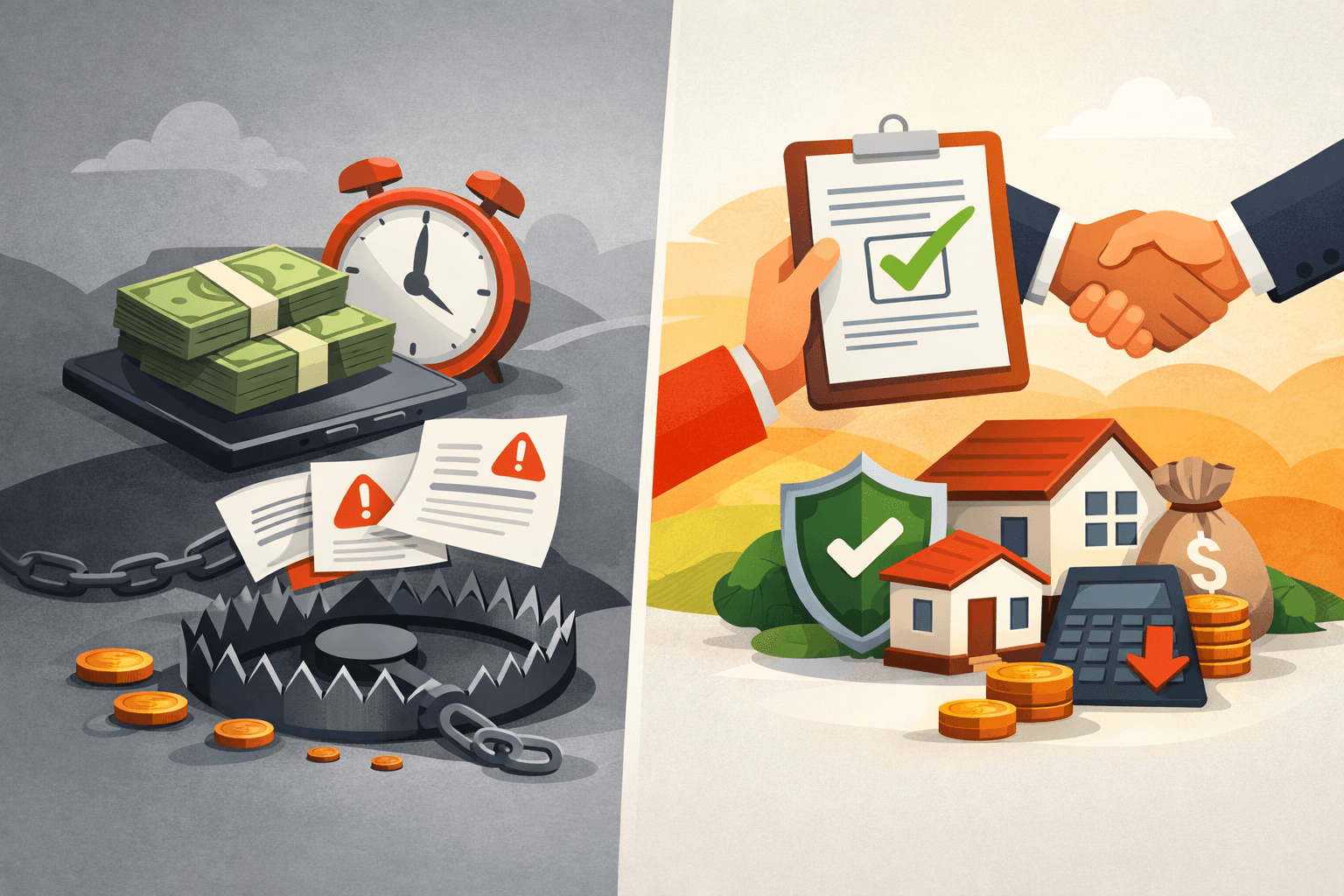
If you cannot repay on time, you may need to take another loan to repay the first one. This creates a cycle of debt that becomes difficult to escape.
Penalties and Hidden Charges
Late payment fees, processing charges, and GST can significantly increase the repayment amount beyond what you expected.
Impact on Credit Score
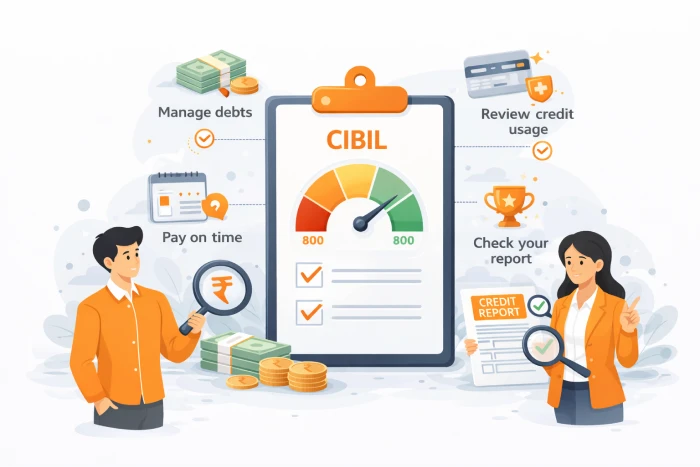
Many digital lenders now report defaults to credit bureaus. A missed payday loan repayment can damage your CIBIL score, affecting future loan eligibility.
Privacy and Harassment Concerns
Unregulated apps have been reported to access contacts and send aggressive reminders, causing emotional stress.
When Do People Usually Take Payday Loans?
From our experience at Saarathi.ai, payday loans are often taken for:
Medical emergencies
Rent or utility payments
School fees
Unexpected travel
Temporary cash flow gaps
While the need is genuine, the solution may not always be safe.
Safer Alternatives to Payday Loans in India
Personal Loans from Banks or NBFCs
Personal loans offer lower interest rates, longer tenures, and EMIs, making repayment manageable. On Saarathi.ai, you can compare personal loan offers from 110+ lenders in one place.
Salary Advance from Employer
Many companies offer salary advances at zero or minimal interest, which is far safer than payday loans.
Credit Card Short-Term Options
If you have a credit card, using the interest-free period or a short-term EMI option can be cheaper.
Small-Ticket Digital Loans from Regulated Lenders
Some NBFCs offer small personal loans with transparent pricing and RBI compliance. Saarathi.ai helps you identify such options through AI-driven lender matching.
Loan Against Fixed Deposit
If you have an FD, this option comes with very low interest rates and quick approval.
How Saarathi.ai Helps You Avoid Risky Loans
At Saarathi.ai, we focus on responsible lending and borrower education:
Saarathi AI Expert helps you check eligibility instantly without harming your credit score
Saarathi Recommendation Engine suggests lenders with the best rates for your profile
Saarathi Bazaar dashboard lets you track offers, approvals, and documents transparently
100 percent paperless journey with verified banks and NBFCs
Instead of falling into payday loan traps, borrowers can choose safer, regulated loan options that suit their income and repayment capacity.
FAQs on Payday Loans in India
Are payday loans safe in India?
They can be risky, especially if offered by unregulated apps. High interest and harsh recovery practices make them unsafe for most borrowers.
Do payday loans affect CIBIL score?
Yes. Missed or delayed payments can negatively impact your credit score if reported to credit bureaus.
Can banks give payday loans?
Traditional banks usually do not offer payday loans. They provide personal loans or overdraft facilities instead.
What is the interest rate on payday loans?
Interest rates vary widely and can be extremely high when calculated annually.
What is the best alternative to a payday loan?
A short-term personal loan from a regulated bank or NBFC is usually safer and more affordable.
Conclusion
Payday loans may look like a quick fix, but they come with serious risks including high interest, debt cycles, and credit score damage. Understanding how they work helps you make informed decisions during financial emergencies.
Key takeaways to remember:
Payday loans are short-term and expensive
Many lenders operate without proper regulation
Repayment delays can create long-term financial stress
Safer alternatives are available through regulated lenders
If you need urgent funds, discover personalised and transparent loan options on Saarathi.ai today and make borrowing a stress-free experience.