How Personal Loan Interest Rates Are Calculated in India
|
Personal loan interest rates in India often feel confusing. Two people with similar salaries may receive very different interest rates, while another borrower may see rates change across lenders within minutes. In 2026, banks and NBFCs use advanced credit models, digital income checks, and AI-based risk assessment to decide personal loan interest rates. At Saarathi.ai, we have observed that borrowers who understand how interest rates are calculated not only get better offers but also avoid costly mistakes. This guide explains how personal loan interest rates are calculated in India, the key factors that influence them, and what you can do to secure the lowest possible rate.
What Is a Personal Loan Interest Rate?
A personal loan interest rate is the cost you pay to borrow money, expressed as a percentage per year. It determines how much extra you repay over the loan amount.
In India, personal loan interest rates are usually:
• Fixed for the entire tenure
• Quoted on a reducing balance basis
This means interest is charged only on the outstanding loan amount, not the original principal.
Typical Personal Loan Interest Rate Range in India
In 2026, personal loan interest rates generally fall within:
• 10 percent to 24 percent per annum
The exact rate depends on your risk profile and the lender’s internal policy.
Key Factors That Decide Personal Loan Interest Rates
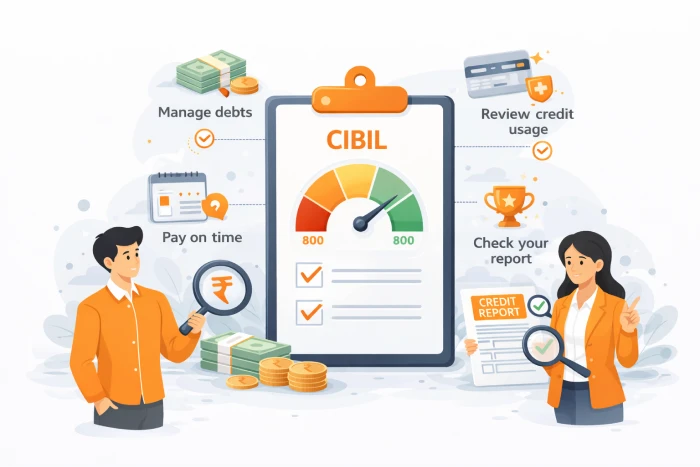
Credit Score
Your credit score is the single most important factor.
General impact:
• 750 and above: Lowest interest rates
• 700 to 749: Moderate interest rates
• Below 650: High interest rates or rejection
At Saarathi.ai, we have seen even a 30 to 40 point improvement in credit score reduce interest rates by 1 to 3 percent.
Income and Repayment Capacity
Lenders assess whether you can comfortably repay the loan.
They look at:
• Net monthly income
• EMI to income ratio (FOIR)
• Stability of income
Higher income and lower existing EMIs reduce lender risk, leading to better interest rates.
Employment Type and Employer Profile
Your job profile influences pricing.
Lower-risk profiles include:
• Government and PSU employees
• Employees of large MNCs
• Salaried professionals with stable tenure
Self-employed individuals or employees of small firms may be charged higher rates due to perceived income volatility.
Lender Type: Bank vs NBFC
Interest rates vary by lender category.
Banks usually offer lower rates due to lower cost of funds.
NBFCs charge higher rates but offer flexibility and faster approvals.
At Saarathi.ai, borrowers can compare both bank and NBFC offers side by side before choosing.
Loan Amount and Tenure
Loan structure also affects interest rate.
Key points:
• Higher loan amounts may attract lower rates for strong profiles
• Longer tenure increases total interest paid
• Short tenure reduces total interest but raises EMI
Some lenders adjust rates slightly based on tenure selection.
Credit History and Past Behaviour
Lenders analyse your repayment track record.
Negative factors include:
• Past defaults or settlements
• Frequent late payments
• High credit utilisation
Clean repayment behaviour improves trust and pricing.
Relationship With the Lender
Existing relationships matter.
Borrowers with:
• Salary accounts
• Past loans repaid successfully
• Long-term banking history
often receive preferential rates or pre-approved offers.
How Lenders Actually Calculate Your Interest Rate
Lenders assign a risk score to your profile based on multiple parameters. Each parameter carries a weight.
A simplified example:
• Credit score: High weight
• Income stability: Medium weight
• Employer profile: Medium weight
• Existing EMIs: High weight
• Loan amount and tenure: Low to medium weight
The final interest rate reflects your overall risk score.
Fixed vs Reducing Balance Interest
Most personal loans in India use reducing balance interest.
Difference explained:
• Flat rate: Interest calculated on full loan amount throughout tenure
• Reducing balance: Interest calculated on outstanding principal
Reducing balance is more transparent and cost-effective, even if the quoted rate looks higher.
Common Myths About Personal Loan Interest Rates
Lower EMI Means Lower Interest
Lower EMI often means longer tenure, not lower interest. Total interest paid may be higher.
Salary Alone Decides Interest Rate
Salary helps, but credit score and repayment behaviour matter more.
One Lender’s Rate Is Final
Rates vary widely across lenders. Comparing offers is essential.
How to Get a Lower Personal Loan Interest Rate
Improve Your Credit Score
• Pay EMIs and credit cards on time
• Reduce outstanding balances
• Avoid multiple loan applications
Reduce Existing EMIs
Lower FOIR improves eligibility and pricing.
Choose the Right Tenure
Balance EMI comfort with total interest cost.
Compare Multiple Lenders
Applying blindly leads to rejection or high rates.
Using the Saarathi Recommendation Engine, borrowers can see personalised interest rates without hurting their credit score.
Negotiate With Offers
Pre-approved or competing offers can sometimes help reduce rates.
How Saarathi.ai Helps You Get the Best Interest Rate
At Saarathi.ai, we help borrowers secure better interest rates through:
• AI-driven eligibility and pricing assessment
• Access to 110+ banks and NBFCs on one platform
• Saarathi AI expert to explain rate differences clearly
• Saarathi Bazaar dashboard to compare EMIs, tenure, and total cost
• Fully digital, paperless application journey
Our experience shows that informed borrowers consistently save on interest costs.
FAQs on Personal Loan Interest Rates in India
Are personal loan interest rates fixed or floating?
Most personal loans in India have fixed interest rates.
Does checking offers reduce my credit score?
Eligibility checks on Saarathi.ai do not affect your credit score.
Why did my friend get a lower rate than me?
Differences in credit score, EMIs, employer profile, or loan amount can impact rates.
Can interest rates change after loan approval?
No, fixed-rate personal loans keep the same rate throughout tenure.
Is refinancing a personal loan a good idea?
Yes, if you get a significantly lower rate and manageable charges.
Conclusion
Personal loan interest rates in India are not random. They are the result of your credit behaviour, income stability, lender choice, and loan structure. Understanding how rates are calculated puts you in control and helps you avoid overpaying.At Saarathi.ai, we use AI-powered matching, transparent comparisons, and expert guidance to help you get personal loans at the right interest rate. Compare personalised personal loan offers on Saarathi.ai today and borrow smarter.