Digital Loan Apps Safety: Data Privacy Guide 2026
|
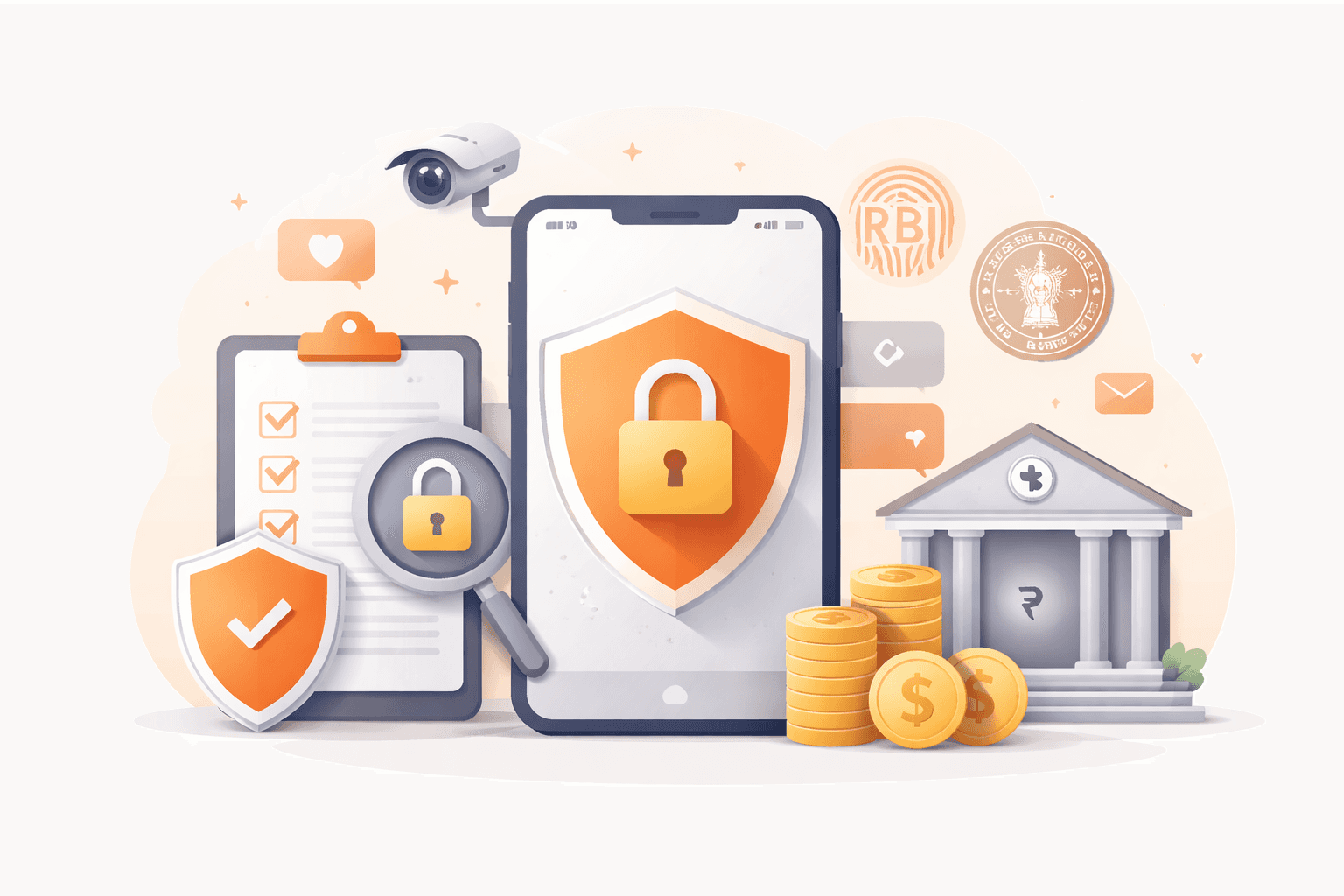
Digital loan apps promise instant approval, paperless processing, and money in your bank account within minutes. But a common and valid question many Indians are asking in 2026 is: how safe are digital loan apps? Stories of data misuse, harassment, and unauthorized access have made borrowers cautious. The truth is that not all digital loan apps are unsafe. However, understanding data privacy, app permissions, and RBI regulations is essential before you click “Allow” or “Accept”. At Saarathi.ai, we have observed that borrowers often rush through permission screens without reading what access they are granting. This guide explains how digital lending apps work, what data they collect, and how you can protect yourself.
What Are Digital Loan Apps?
Digital loan apps are mobile applications that allow users to:
Apply for personal loans
Upload documents digitally
Complete KYC online
Receive instant eligibility checks
Get loan disbursal directly to bank accounts
Many apps partner with RBI-registered banks and NBFCs. Others may operate through complex lending structures. That is why verification is important.
Why Data Privacy Is a Big Concern
Loan apps often request access to:
Contacts
SMS messages
Location
Camera
Storage
While some permissions are required for KYC and fraud prevention, others may not be necessary.
Borrowers fear:
Unauthorized data sharing
Harassment using contact lists
Identity theft
Data resale
RBI has tightened digital lending guidelines to protect consumers. Still, awareness is your first layer of safety.
Understanding App Permissions
Let us break down common permissions.
1. Camera Access
Used for:
Selfie verification
Document scanning
Video KYC
Generally necessary for digital KYC.
2. Location Access
Used for:
Fraud detection
Verifying city of residence
Limited usage is acceptable. Continuous tracking is not.
3. Contacts Access
This is where risk increases.
Legitimate lenders should not need access to your contact list for loan approval. Excessive contact access may signal aggressive recovery practices.
4. SMS Access
Sometimes used to analyze:
Salary credits
Bank transaction alerts
EMI payments
However, RBI guidelines emphasize explicit consent and purpose limitation.
Always read why the app needs each permission.
RBI Digital Lending Guidelines
RBI has introduced stricter rules for digital lenders, including:
Loans must be disbursed directly from regulated entities
Transparent disclosure of interest rate and charges
Clear grievance redressal mechanism
Explicit borrower consent before data collection
Data stored securely and not misused
Borrowers must check whether the lending partner is RBI-registered.
If unsure, you can compare verified lenders on Saarathi.ai instead of downloading unknown apps.
Red Flags to Watch Out For
Before installing a digital loan app, check for these warning signs:
No mention of RBI-registered lender
Extremely high processing fees
Unclear interest rates
Aggressive recovery language
Poor app ratings with harassment complaints
Excessive permission requests unrelated to lending
If an app asks for full contact access without clear reason, reconsider.
How Fraud Happens in Digital Loan Apps
Fraud cases usually involve:
Fake loan apps posing as legitimate brands
Data misuse for blackmail
Hidden charges added post-disbursal
Short tenures with very high penalties
Many borrowers do not realize that small loans with short repayment windows can carry extremely high effective annualized interest rates.
At Saarathi.ai, we have observed that borrowers who compare regulated lenders transparently are less likely to face hidden charges or harassment.
Are All Digital Loan Apps Unsafe?
No.
Many legitimate platforms operate securely and comply with RBI norms. The difference lies in:
Transparency
Regulated partnerships
Data protection practices
Ethical recovery processes
The key is to borrow only through trusted ecosystems.
How Saarathi.ai Ensures Safety
At Saarathi.ai, we prioritize:
Partnerships with 110 plus verified lenders
Transparent interest rate comparison
Clear disclosure of charges
Secure digital journey
No unnecessary app permission harvesting
Instead of downloading multiple unknown apps, borrowers can compare personal loan offers on Saarathi.ai in one secure platform.
Our Saarathi Bazaar dashboard allows you to track offers, compare terms, and manage applications without repeated data sharing.
Data Protection: What You Should Do
Follow these safety steps before applying for any digital loan:
1. Verify the Lender
Check if the lender is RBI-registered.
2. Read App Reviews Carefully
Look for patterns of complaints about harassment or data misuse.
3. Check Permissions Before Allowing
Ask yourself:
Is this permission necessary for loan processing?
Can I deny it and still proceed?
4. Avoid Sharing OTPs
Never share OTP or bank login credentials with anyone.
5. Use Official Websites
Instead of random APK downloads, use verified platforms.
You can also ask eligibility questions via Saarathi AI before submitting formal applications.
Impact on Your Credit Score
Legitimate digital loan apps report repayment behavior to credit bureaus.
Timely repayment improves score
Late payment reduces score
Multiple small loans increase exposure
If you are planning major financial goals such as buying a home, it is wise to compare home loan offers on Saarathi.ai and maintain a clean credit record.
What About Data Stored After Loan Closure?
RBI norms require:
Data to be used only for stated purpose
No unauthorized sharing
Data retention policies
You have the right to:
Ask for data deletion
File complaints through grievance channels
Escalate to RBI ombudsman if needed
Keep screenshots of loan agreements and repayment proof.
Digital Loan Apps vs Marketplaces
Here is a comparison:
Factor | Unknown Loan App | Saarathi.ai Marketplace
Lender Verification | Unclear | Verified partners
Transparency | Limited | Full comparison
Data Sharing | Often broad | Purpose-driven
Tracking | Limited | Saarathi Bazaar dashboard
Support | Weak | AI plus human assistance
Choosing the right platform reduces risk significantly.
The Future of Safe Digital Lending in India
In 2026 and beyond, we expect:
Stronger AI-based fraud detection
Account Aggregator powered underwriting
Mandatory transparent APR display
Improved borrower grievance systems
Centralized reporting of illegal apps
The industry is maturing, but borrowers must remain cautious.
FAQs
1. Are digital loan apps legal in India?
Yes, if they are partnered with RBI-registered banks or NBFCs.
2. Why do some apps ask for contact access?
Some claim it is for risk assessment, but excessive access is a red flag.
3. Can loan apps misuse my data?
Unregulated apps may. Always verify the lender and read privacy policies.
4. How can I check if a lender is genuine?
Check RBI registration and use trusted platforms like Saarathi.ai.
5. What should I do if I face harassment?
File a complaint with the lender grievance officer and escalate to the RBI ombudsman if required.
Conclusion
Digital loan apps can be safe, but only when you choose wisely.
Key Takeaways:
Verify RBI-registered lending partners.
Read app permissions carefully.
Avoid excessive data access.
Maintain repayment discipline.
Use transparent marketplaces for comparison.
Do not let urgency compromise your privacy. Discover secure, verified loan options on Saarathi.ai today, compare transparently, and track your application safely in one place.