Digital Fraud Protection: RBI Rules for Borrowers 2026
|
Digital payments have made borrowing and repayments faster than ever. But with speed comes risk. Fraudulent transactions, phishing attacks, SIM swaps, and unauthorized debits are rising concerns for Indian borrowers in 2026. To strengthen consumer confidence, RBI has introduced enhanced digital fraud protection frameworks that focus on faster reporting, clearer liability rules, and better compensation mechanisms for small loss claims. Many borrowers still feel confused about what protection they actually have. If money is fraudulently deducted from your account, who bears the loss? How quickly must you report it? At Saarathi.ai, we have observed that awareness of digital fraud protection is still low among borrowers. This guide explains how RBI’s framework works and how you can safeguard yourself.
Why Digital Fraud Protection Matters in 2026
India processes billions of digital transactions every month through UPI, net banking, cards, and mobile apps.
Common fraud types include:
Phishing calls pretending to be bank officials
Fake loan app links
OTP scams
SIM swap fraud
Malware attacks
Unauthorized UPI mandates
For borrowers, fraud can disrupt:
EMI payments
Loan disbursals
Credit card dues
Credit score health
That is why regulatory clarity is critical.
RBI’s Framework on Digital Payment Fraud
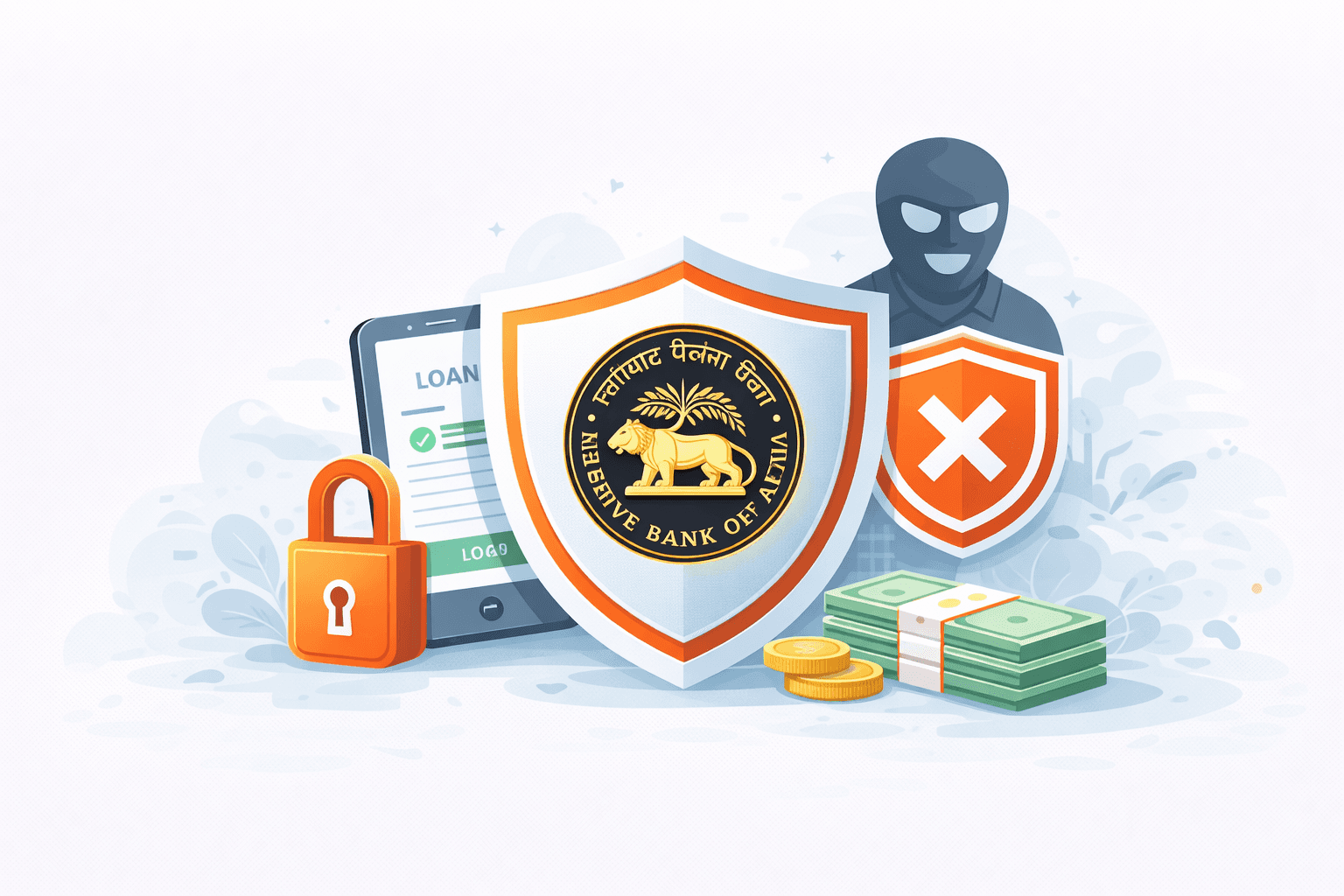
RBI has strengthened customer protection by clarifying liability in unauthorized electronic transactions.
Key pillars include:
1. Zero Liability in Certain Cases
If fraud occurs due to:
Bank system deficiency
Third-party breach without customer involvement
The customer bears zero liability if reported promptly.
2. Limited Liability for Prompt Reporting
If customer reports unauthorized transaction within the prescribed time window, liability is capped.
3. Full Liability in Case of Negligence
If the fraud happened due to:
Sharing OTP
Sharing PIN
Delayed reporting
The customer may bear the loss.
Understanding these distinctions is important.
Small Loss Claims: What Borrowers Should Know
The framework simplifies handling of small value fraud claims.
When you detect unauthorized transaction:
Immediately inform bank through official channels
Raise complaint number
Request written confirmation
Track resolution timeline
Banks are required to:
Acknowledge complaint quickly
Credit disputed amount within defined timeline if eligible
Complete investigation within stipulated period
If the bank delays resolution, compensation rules may apply.
How This Impacts Loan Borrowers
Fraud can affect borrowers in multiple ways:
1. EMI Bounce Risk
If fraud drains your account, EMIs may bounce, affecting credit score.
2. Mandate Misuse
Unauthorized e-mandate activation can cause wrongful debits.
3. Fake Loan Disbursal Requests
Scammers may send fake loan processing links.
Borrowers must act fast to protect both funds and credit history.
If EMI is affected due to fraud, inform both your bank and lender immediately.
Timeline Matters
Under RBI guidelines:
Immediate reporting reduces liability
Delay increases risk of full loss
Banks must resolve within defined periods
Always report fraud through:
Bank helpline
Official mobile app
Branch visit
Cybercrime portal
Do not rely on informal channels.
Digital Lending and Fraud Protection
Digital lending platforms must:
Disburse directly to borrower’s bank account
Follow proper KYC
Ensure secure payment gateways
Protect borrower data
At Saarathi.ai, we prioritize:
Verified lender partnerships
Transparent documentation
Secure application tracking through Saarathi Bazaar dashboard
Borrowers should avoid sharing sensitive information outside official channels.
Common Fraud Scenarios for Borrowers
Scenario 1: Fake Loan Approval Call
Scammer claims loan is approved and asks for processing fee via UPI.
Reality: Regulated lenders deduct processing fees transparently or include in loan statement.
Scenario 2: Phishing Link
User receives SMS with “loan update” link that steals banking credentials.
Scenario 3: Unauthorized Auto-Debit
Fraudster activates recurring mandate.
In all cases, quick reporting is critical.
Protecting Your Credit Score After Fraud
Fraud-related EMI bounce can affect credit score.
Steps to protect yourself:
Inform lender immediately
Provide fraud complaint reference
Request temporary waiver on penalty
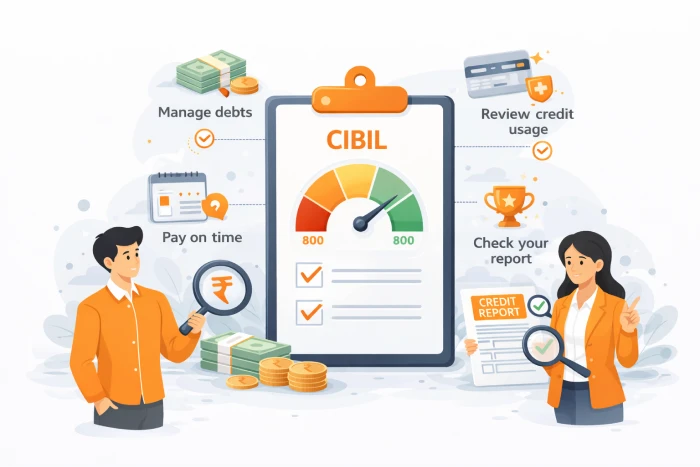
Monitor CIBIL report
You can compare personal loan offers on Saarathi.ai only after ensuring your credit profile reflects accurate repayment history.
Practical Fraud Prevention Tips
Follow these best practices:
Never share OTP, PIN, or CVV
Do not install unknown apps
Verify lender identity before paying processing fees
Use official bank apps only
Enable SMS and email transaction alerts
Check bank statements weekly
Before applying for any loan, you can ask eligibility questions via Saarathi AI to avoid interacting with unknown third parties.
Role of Digital Platforms in Fraud Prevention
Responsible fintech platforms invest in:
AI-based fraud detection
Secure API integrations
Encrypted document uploads
Two-factor authentication
At Saarathi.ai, we focus on secure and paperless loan journeys without unnecessary data exposure.
What If the Bank Rejects Your Claim?
If your complaint is not resolved satisfactorily:
Escalate to bank grievance officer
Approach RBI Ombudsman
Provide documentation and complaint reference
Maintain records of:
Transaction details
Complaint acknowledgment
Communication screenshots
Proper documentation strengthens your case.
Long-Term Impact of RBI’s Framework
The strengthened framework:
Builds trust in digital payments
Encourages safe borrowing
Reduces fear of online transactions
Improves grievance transparency
Promotes responsible fintech growth
Borrowers can feel more secure when engaging with digital platforms.
How This Supports Financial Inclusion
When customers trust digital infrastructure:
Loan adoption increases
Online repayments rise
Fraud fear reduces
Digital credit ecosystems mature
For long-term financial goals such as buying property, you can compare home loan offers on Saarathi.ai while maintaining strong digital security practices.
FAQs
1. What should I do immediately after detecting fraud?
Report to your bank instantly through official channels and obtain complaint reference.
2. Will I get full refund for unauthorized transaction?
Depends on reporting speed and customer involvement. Prompt reporting improves protection.
3. Does fraud affect my credit score?
It can if EMI bounces. Inform lender immediately to minimize impact.
4. How long does bank investigation take?
Banks must follow RBI-defined timelines for resolution.
5. Is it safe to apply for loans online?
Yes, if using verified platforms with regulated lender partnerships.
Conclusion
Digital fraud risks are real, but RBI’s strengthened framework offers meaningful protection.
Key Takeaways:
Report fraud immediately to reduce liability.
Understand zero and limited liability rules.
Maintain transaction alerts and monitor accounts.
Inform lenders if fraud affects EMI.
Use verified platforms for secure borrowing.
Do not let fear of fraud stop your financial progress. Discover safe, transparent loan options on Saarathi.ai today and manage your borrowing journey confidently in one secure ecosystem.