Debt Trap Warning Signs Most Borrowers Ignore
|
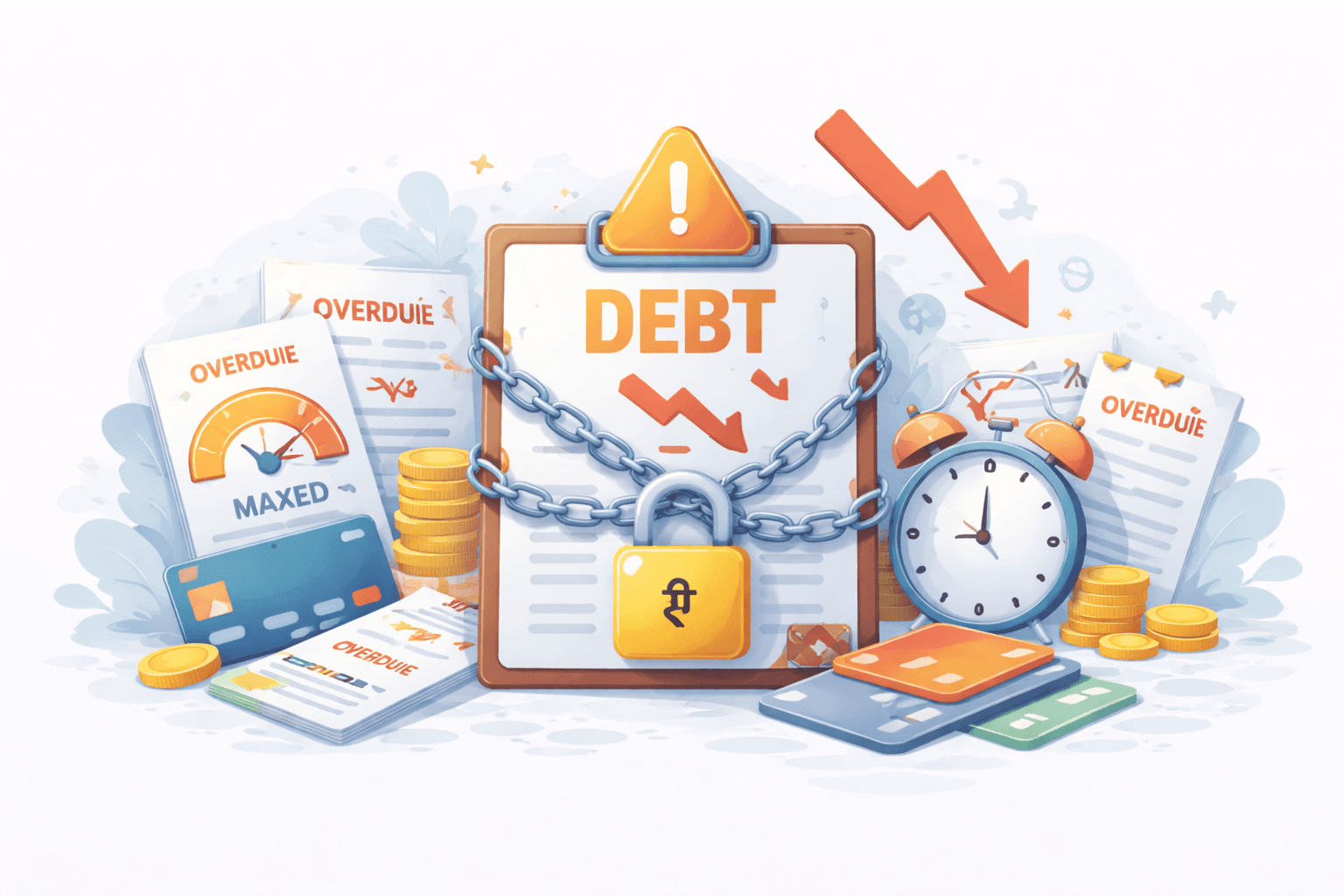
A debt trap does not happen overnight. It builds slowly through small financial decisions that seem manageable at first. One extra EMI. One more credit card swipe. One short-term loan to cover another. Before you realize it, a large portion of your income goes toward repayments, leaving little room for savings or emergencies. In 2026, with instant loans, BNPL options, and easy credit approvals, falling into a debt trap has become easier than ever. At Saarathi.ai, we have observed that borrowers often ignore early warning signs until repayment stress becomes overwhelming. The good news is that debt traps are preventable if you recognize the signals early. Let us understand the red flags most people overlook.
What Is a Debt Trap?
A debt trap occurs when:
You borrow to repay existing loans
Your EMIs consume a major part of income
Interest accumulates faster than you can repay
Financial stress becomes constant
It is not about having debt. It is about losing control over repayment.
Warning Sign 1: EMI Exceeds 40 to 50 Percent of Income
One of the biggest red flags is your EMI-to-income ratio.
Healthy ratio: Below 40 percent.
If your monthly income is Rs 60,000 and EMIs total Rs 35,000, you are at high risk.
This leaves very little for:
Rent
Groceries
Utilities
Savings
When basic expenses rely on credit, a debt trap is forming.
Warning Sign 2: Paying Only Minimum Due on Credit Cards
Credit cards offer flexibility, but minimum payment is dangerous.
If you regularly:
Pay only minimum due
Carry forward balance
Accumulate interest month after month
Your principal reduces slowly while interest grows quickly.
This is one of the most common entry points into debt traps.
Warning Sign 3: Taking New Loans to Repay Old Ones
Borrowing to repay existing EMIs is a serious warning sign.
This cycle often looks like:
Personal loan to clear credit card
Credit card used to pay another EMI
Short-term loan app used for emergency
Unless structured properly, this creates a repayment spiral.
Instead of random applications, you can compare personal loan offers on Saarathi.ai to explore structured consolidation options.
Warning Sign 4: Multiple Loan Apps Installed
Having several loan apps installed indicates:
Frequent short-term borrowing
Overlapping repayment dates
High interest exposure
Digital loans are convenient, but stacking them increases pressure.
Many borrowers underestimate how multiple small loans can accumulate into large monthly obligations.
Warning Sign 5: Ignoring Loan Statements
Avoiding statements or notifications is a psychological signal.
If you feel anxious checking:
Credit card bill
Loan balance
Bank SMS alerts
It may indicate financial avoidance behavior.
Ignoring the problem worsens it.
Warning Sign 6: Frequent EMI Bounce
EMI bounce charges and penalties increase total outstanding.
Repeated bounce also:
Lowers CIBIL score
Increases collection pressure
Raises future borrowing cost
One or two isolated incidents may be manageable. Regular bounces signal instability.
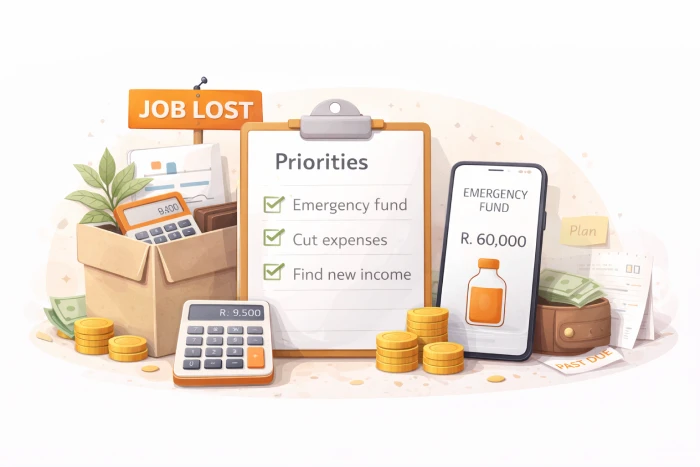
Warning Sign 7: No Emergency Fund
If even a small unexpected expense forces you to borrow, your financial system lacks buffer.
Emergency fund of at least:
3 months of expenses
Protects you from debt escalation.
Without it, any disruption pushes you toward new loans.
Warning Sign 8: Rising Credit Utilization Above 70 Percent
If you consistently use:
70 to 90 percent of credit card limit
Lenders see you as high risk.
High utilization not only lowers your CIBIL score but also indicates financial stress.
Warning Sign 9: Emotional Borrowing
Borrowing due to:
Social pressure
Lifestyle comparison
Festival spending without planning
Emotional stress
Leads to impulsive decisions.
Financial discipline requires separating needs from wants.
Warning Sign 10: No Clear Repayment Plan
If you cannot answer:
When will this loan end?
How much total interest am I paying?
How many EMIs are remaining?
You may lack repayment clarity.
Structured planning prevents long-term damage.
Real Scenario Example
Borrower earning Rs 80,000 monthly:
Home loan EMI Rs 28,000
Car loan EMI Rs 12,000
Credit card EMI Rs 15,000
BNPL Rs 8,000
Total EMI: Rs 63,000
Remaining amount: Rs 17,000 for all expenses.
This borrower is one emergency away from debt spiral.
Early restructuring could prevent crisis.
How to Break Free Early
If you recognize warning signs:
List all debts clearly
Prioritize high-interest loans
Stop new borrowing
Consider consolidation
Communicate with lenders
You can ask eligibility questions via Saarathi AI before making new applications to avoid unnecessary credit inquiries.
For larger commitments such as housing loans, compare home loan offers on Saarathi.ai carefully before taking additional liabilities.
Debt Consolidation as a Reset
Debt consolidation can help if:
It reduces interest rate
It lowers total EMI
It simplifies repayment
However, consolidation works only if you avoid fresh borrowing afterward.
Psychological Impact of Debt Trap
Debt traps affect:
Sleep quality
Mental health
Family relationships
Work performance
Financial recovery is not only about numbers. It is about peace of mind.
Recognizing early signs reduces long-term emotional burden.
Long-Term Financial Discipline
Once stabilized:
Maintain EMI ratio below 40 percent
Build emergency fund
Track monthly expenses
Avoid impulse credit
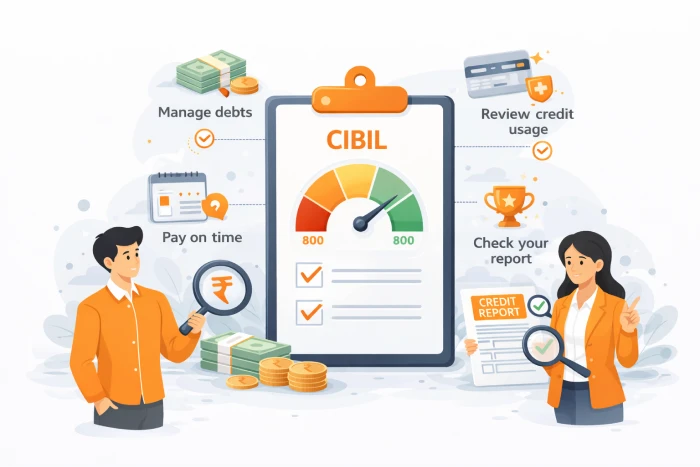
Monitor CIBIL score regularly
Financial freedom grows through consistency.
FAQs
1. How do I know if I am in a debt trap?
If you borrow to repay existing loans and struggle to meet basic expenses, it is a warning sign.
2. Can debt consolidation fix a debt trap?
Yes, if structured properly and combined with disciplined spending.
3. Does debt trap affect credit score?
Yes. Late payments and high utilization lower your score.
4. Is it normal to have multiple EMIs?
Yes, but total EMI should remain within manageable ratio.
5. How quickly can I recover from debt trap?
Recovery depends on debt size and discipline, but structured action can show improvement within months.
Conclusion
Debt traps begin quietly but grow quickly if ignored.
Key Takeaways:
Monitor EMI-to-income ratio carefully.
Avoid minimum payment cycle on credit cards.
Stop borrowing to repay existing loans.
Build emergency savings.
Seek structured solutions early.
Financial control starts with awareness. Explore transparent and smarter loan solutions on Saarathi.ai today and take confident steps toward financial stability.