Can a Loan Be Traded in India? Understanding Loan Trading Simply
|
Many borrowers in India assume that once they take a loan from a bank or NBFC, the relationship stays fixed until the loan is fully repaid. In reality, the answer to the question can a loan be traded in India is yes, but with important conditions. Loan trading is a behind-the-scenes financial process where lenders sell or transfer loans to other institutions. As a borrower, you usually continue paying EMIs as usual, but the ownership of your loan may change. At Saarathi.ai, we have observed that borrowers often worry whether loan trading affects interest rates, tenure, or their credit score. This guide explains loan trading in simple terms, what RBI allows, how it impacts you, and how platforms like Saarathi.ai help you stay informed and protected throughout your loan journey.
What Does It Mean When a Loan Is Traded?
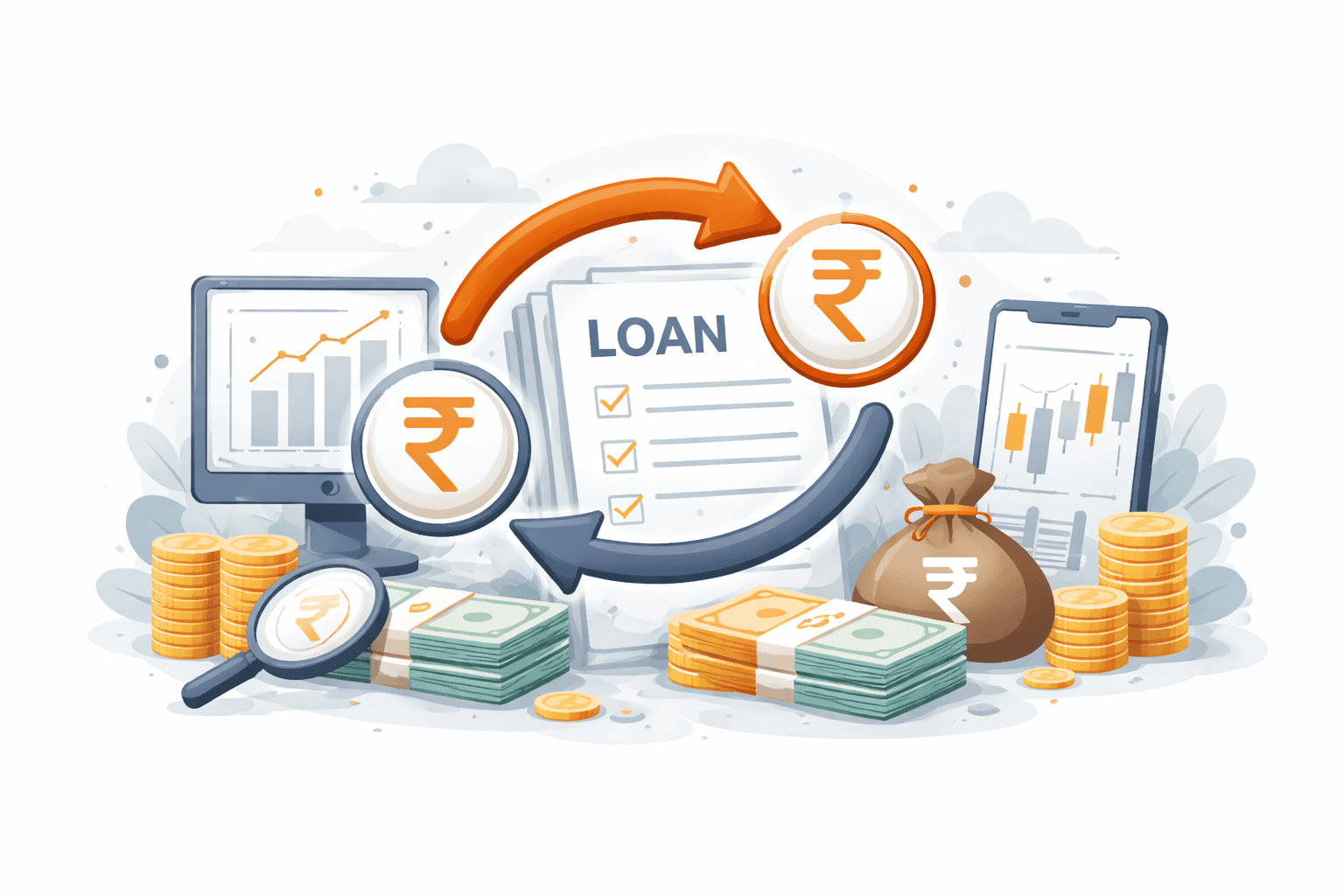
When a loan is traded, the original lender sells the loan or a pool of loans to another financial institution. The buyer becomes the new owner of the loan and is entitled to receive future EMIs. This is common in banking to manage risk, improve liquidity, and comply with capital requirements.
Key points to understand:
Your loan terms remain the same. Interest rate, EMI, and tenure do not change.
You are informed about the new lender or servicing entity.
Your repayment obligation continues without interruption.
In most cases, borrowers notice only a change in the entity collecting EMIs or issuing statements.
Is Loan Trading Legal in India?
Yes, loan trading is legal and regulated in India under guidelines issued by the Reserve Bank of India. RBI permits banks and NBFCs to transfer loans through structured mechanisms to ensure financial stability and transparency.
RBI oversight ensures:
Borrower rights are protected.
No unilateral change in loan terms.
Proper disclosure and documentation.
This regulation is why loan trading in India is mostly invisible to borrowers and does not disrupt day-to-day repayments.
Common Ways Loans Are Traded in India
Direct Loan Assignment
In this method, a lender sells a loan directly to another bank or NBFC. The buyer takes over the loan along with all associated rights.
Securitisation
Here, multiple loans are bundled together and sold as securities to investors. This is common for home loans, personal loans, and vehicle loans.
Co-Lending and Portfolio Transfers
Banks and NBFCs sometimes jointly fund loans. Later, one partner may transfer its share to the other based on agreed terms.
At Saarathi.ai, we often see these structures used to expand credit access while keeping borrower costs stable.
Does Loan Trading Affect Borrowers?
For most borrowers, the impact is minimal. However, it is important to know what can and cannot change.
What stays the same
Interest rate and EMI
Loan tenure
Repayment schedule
Credit score impact based on timely payments
What may change
The lender or servicing entity
Customer support contact details
Loan statement format or app interface
If a lender changes, RBI guidelines require clear communication to borrowers.
Can Your Loan Be Sold Without Your Consent?
Borrower consent is typically built into the original loan agreement. When you sign a loan contract, you usually agree that the lender may assign or transfer the loan. This is standard practice and legally valid.
However, borrowers must be:
Informed about the transfer
Given details of the new lender
Assured that loan conditions remain unchanged
If these conditions are not met, you can raise a grievance with the lender or escalate to RBI channels.
Why Do Banks and NBFCs Trade Loans?
Loan trading is not done randomly. It serves several financial and operational purposes.
Main reasons include:
Liquidity management to free up capital
Risk diversification by reducing exposure to one borrower segment
Regulatory compliance with capital adequacy norms
Faster credit growth without overburdening balance sheets
This system ultimately helps lenders offer more loans at competitive rates.
Does Loan Trading Impact Your Credit Score?
No, loan trading by itself does not harm your credit score. Credit bureaus are updated with the new lender’s details, but your repayment history remains intact.
Your credit score depends on:
Timely EMI payments
Credit utilization
Overall debt profile
At Saarathi.ai, we recommend regularly checking your credit report, especially after any lender communication about loan transfers.
How Saarathi.ai Helps Borrowers Stay In Control
Navigating loans becomes easier when you have transparency and expert guidance. Saarathi.ai is designed to simplify this entire process.
With Saarathi.ai, you can:
Compare loan offers across 110+ banks and NBFCs before applying
Track your application and lender updates in the Saarathi Bazaar dashboard
Get instant clarity from Saarathi AI expert on eligibility, EMIs, and lender policies
Enjoy paperless journeys and faster approvals with full visibility
Even if your loan is later traded, starting with the right lender and structure reduces confusion and stress.
Should Borrowers Be Worried About Loan Trading?
In most cases, no. Loan trading is a routine financial practice governed by RBI rules. Problems arise only when borrowers are not informed or do not understand their rights.
Stay alert by:
Reading lender communications carefully
Keeping copies of loan agreements and transfer notices
Verifying new lender details before making payments
Being informed is the best protection.
FAQs on Loan Trading in India
Can a personal loan be traded in India?
Yes. Personal loans are often part of loan assignment or securitisation deals between banks and NBFCs.
Will my EMI increase if my loan is sold?
No. RBI rules ensure that EMIs and interest rates remain unchanged after loan transfer.
Can I refuse if my loan is traded?
Generally no, if the loan agreement allows assignment. However, you can raise concerns if terms are altered.
Do I need to sign a new agreement after loan transfer?
Usually not. You may receive a notice or revised repayment instructions.
Does loan trading affect foreclosure or prepayment?
No. Your prepayment and foreclosure rights remain as per the original agreement.
Conclusion
So, can a loan be traded in India? Yes, and it is a well-regulated process designed to strengthen the financial system without harming borrowers. The key takeaway is awareness. When you understand how loan trading works, you can focus on what really matters: timely repayments, healthy credit scores, and choosing the right loan partner from the start.
At Saarathi.ai, we believe in full transparency, smarter comparisons, and people-first lending journeys. Discover personalized loan options, compare trusted lenders, and get expert guidance from Saarathi AI today.