Business Loan Eligibility for MSMEs in 2026: New Rules and Smart Hacks
|
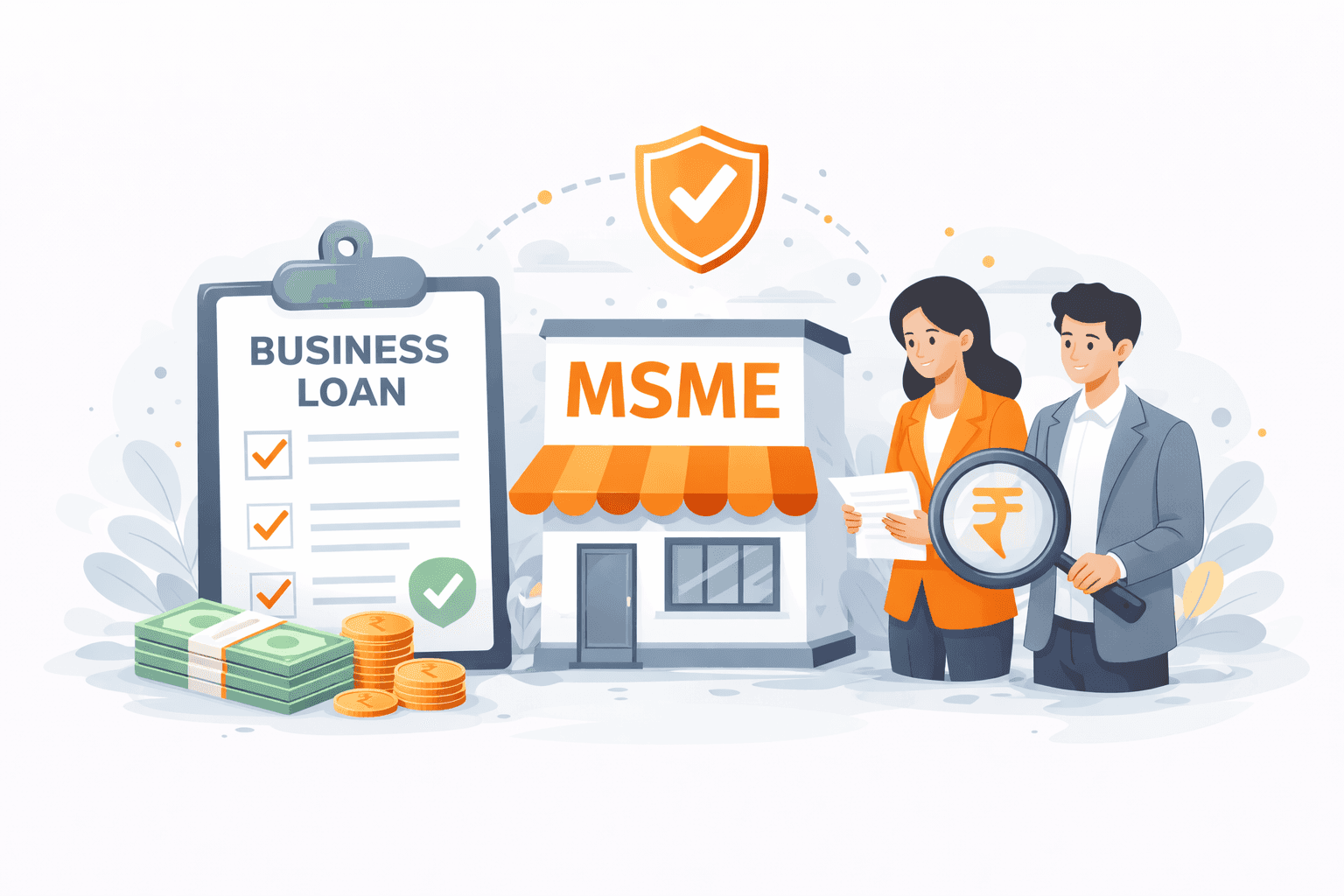
Access to timely credit can define the success or struggle of an MSME in India. In 2026, business loan eligibility for MSMEs has evolved significantly due to regulatory reforms, digital lending frameworks, and AI-driven underwriting. Traditional collateral-heavy lending is giving way to cash flow-based assessment, faster approvals, and flexible repayment structures. At Saarathi.ai, we have observed that MSMEs who understand the new eligibility rules and prepare smartly are far more likely to secure competitive loan offers without delays or rejections. This guide explains MSME business loan eligibility in 2026, current interest rate trends, and practical hacks that actually work for business owners.
MSME Lending Landscape in India 2026
India’s MSME sector continues to be a major driver of employment and GDP growth. To support this, lenders and policymakers have focused on improving credit flow to small businesses. According to policy direction and supervisory guidance from the Reserve Bank of India, lenders are encouraged to adopt responsible digital lending, alternative data analysis, and transparent pricing. In 2026, this has resulted in more tailored loan products for traders, manufacturers, service providers, and startups.
Who Is Eligible for a Business Loan in 2026
Eligibility criteria vary across lenders, but some fundamentals remain common. MSMEs must be registered businesses with verifiable operations. Most lenders require at least one to three years of business vintage, although some digital lenders consider younger firms with strong cash flows. A stable turnover, clean banking behaviour, and acceptable credit history significantly improve approval chances. At Saarathi.ai, we have seen even small proprietorships qualify when their financial data is well organised and consistent.
New Eligibility Rules MSMEs Should Know
One major shift in 2026 is the reduced dependence on traditional collateral. Many lenders now focus on cash flow, GST data, and transaction history. GST registration and regular filing play a crucial role, as GST returns offer a transparent view of business performance. Bank statement analysis has also become more sophisticated, allowing lenders to assess seasonality and growth trends. These changes make business loans more accessible to MSMEs that were earlier excluded due to lack of property collateral.
Credit Score and Business Loans
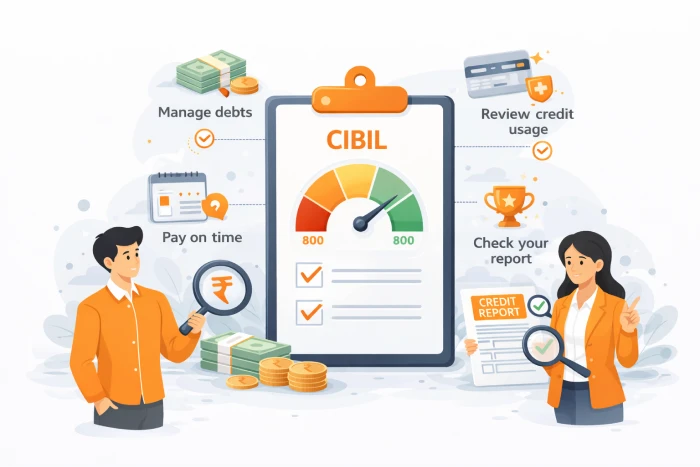
Both personal and business credit profiles matter. For proprietors and partnerships, the owner’s personal credit score often influences approval. A score above 700 generally improves chances of competitive rates. However, in 2026, AI-driven models consider additional factors, reducing overreliance on a single score. At Saarathi.ai, we have observed that MSMEs with moderate scores but strong cash flows often receive offers when matched with the right lenders.
Business Loan Interest Rates in 2026
Business loan interest rates in India in 2026 typically range from 10 percent to 22 percent per annum. Rates depend on business profile, turnover, credit history, loan type, and lender category. Secured business loans and loans against property usually attract lower rates, while unsecured working capital loans are priced higher. Digital lenders and NBFCs may offer faster approvals at slightly higher rates, while banks offer lower rates with stricter criteria.
Types of Business Loans Available
MSMEs in 2026 can choose from multiple loan types based on need. Working capital loans help manage daily operations. Term loans support expansion and asset purchase. Invoice discounting and supply chain finance improve cash flow for businesses dealing with delayed payments. Loan against property allows higher ticket sizes using owned assets. Choosing the right product improves eligibility and reduces borrowing cost.
Documentation Requirements Have Simplified
Gone are the days of bulky paperwork. Most lenders now accept digital documents. Common requirements include KYC, GST returns, bank statements, income tax returns, and basic business proofs. AI-based document verification has reduced turnaround time significantly. Saarathi.ai supports paperless journeys and clearly communicates document needs upfront, helping MSMEs prepare in advance.
Smart Hacks to Improve Business Loan Eligibility
Small changes can make a big difference. Maintaining regular GST filings, even during slow periods, builds lender confidence. Keeping business and personal finances separate improves clarity. Reducing cheque bounces and maintaining average bank balances signals stability. Applying for the right loan amount and tenure aligned with cash flow reduces rejection risk. At Saarathi.ai, our AI expert often guides MSMEs to tweak these factors before applying, improving outcomes significantly.
Avoid Common MSME Loan Mistakes
Many MSMEs hurt eligibility by applying to multiple lenders blindly, leading to repeated credit inquiries. Others overestimate loan requirements, resulting in rejection. Incomplete documentation and inconsistent financial data also cause delays. Using a single platform to compare and apply helps avoid these issues and preserves credit health.
How AI Is Changing MSME Loan Approvals
AI is the biggest enabler of MSME credit in 2026. Machine learning models analyse transaction patterns, vendor payments, customer inflows, and seasonality. This allows lenders to offer customised repayment schedules and dynamic limits. Saarathi Recommendation Engine matches MSMEs with lenders most aligned to their industry and size, improving approval speed and relevance.
Government Schemes and Credit Support
Several government-backed initiatives continue to support MSME lending through guarantees and refinancing support. While eligibility criteria apply, these schemes reduce lender risk and encourage approvals. MSMEs should check scheme compatibility during application. Saarathi.ai helps borrowers identify lenders participating in relevant programs.
When Is the Right Time to Apply
Timing matters. Applying after filing recent GST returns, clearing overdue payments, and stabilising cash flows increases success. Avoid applying during periods of heavy returns or compliance backlog. AI-led insights help MSMEs decide the right moment to apply rather than rushing and facing rejection.
FAQs
What is the minimum turnover required for an MSME business loan in 2026?
It varies by lender, but many consider annual turnover starting from Rs. 10 to 20 lakh.
Can startups get business loans in 2026?
Yes, some lenders consider startups with strong cash flows and digital transaction history.
Are collateral-free business loans available?
Yes. Many working capital and term loans are offered without collateral based on cash flow assessment.
How long does approval take?
Digital lenders may approve loans within a few days, while banks may take longer.
Does GST filing impact eligibility?
Yes. Regular GST filing significantly improves transparency and approval chances.
Conclusion
Business loan eligibility for MSMEs in 2026 is broader, smarter, and more data-driven than ever before. Key success factors include clean cash flows, regular compliance, realistic borrowing needs, and choosing the right lender. With AI-led platforms, MSMEs no longer need to rely on guesswork or lengthy branch visits. Compare personalised business loan offers from banks and NBFCs, get expert guidance, and track your application transparently on Saarathi.ai to fuel your business growth with confidence.